RSC stages a new prequel to Game of Thrones with King Aerys the Mad King
The Royal Shakespeare Company in Stratford-upon-Avon has premiered a stage prequel to Game of Thrones centred on King Aerys II Targaryen, set closer to the TV series than existing HBO prequels. The production blends financial motives with an artistic nod to Shakespeare's influence on George RR Martin.
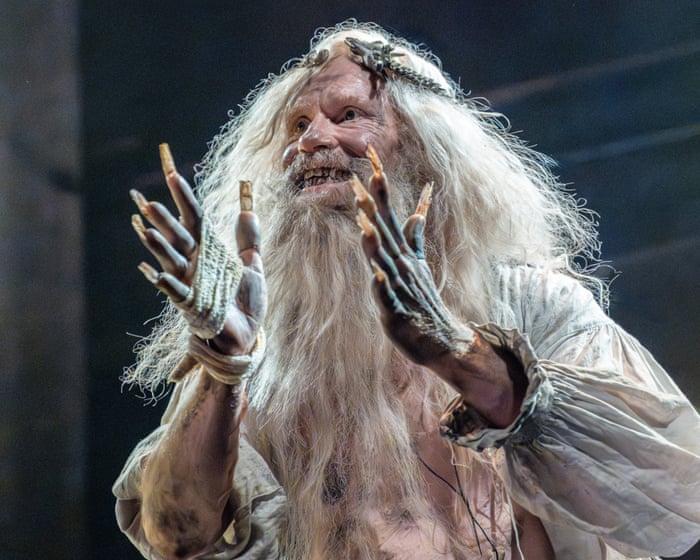
The Royal Shakespeare Company, which over 65 years has staged countless mad Lears and murdered Caesars, is now presenting a new downfall story: King Aerys II Targaryen, ancestor of one of the warring houses in Game of Thrones. The production, titled "Game of Thrones: The Mad King," is based on George RR Martin's A Song of Ice and Fire novels, the source material for the HBO series that ran from 2011 to 2019 and helped drive the rise of streaming television.
Financial and artistic reasoning
The decision to stage an American fantasy franchise at a theatre named for England's most famous playwright is partly explained by financial pressure — rising costs linked to ongoing wars and Covid-era debts owed to the government mean the RSC needs another commercially successful production, since the musical Matilda cannot generate income indefinitely. There is also an artistic justification: Martin has long cited Shakespeare's English history plays as an influence on his work.
Plot and characters
Playwright Duncan Macmillan and director Dominic Cooke built the story around a tournament mentioned but never detailed in Martin's novels, set in the year 281 after conquest — placing it much closer to the television series' timeline than the existing HBO prequels House of the Dragon and A Knight of the Seven Kingdoms. The play introduces younger versions of characters familiar from the TV show, including a young man who insists on being called Ned rather than Eddard Stark. Two characters who are central to the original series appear only as infants by the play's end.
Staging and visuals
Horses and other creatures are portrayed through large puppets operated by teams of performers, while designer Chloe Lamford created a striking sacred tree and used real flames and stage fog along a walkway cutting through the auditorium. Reviewers noted that theatre cannot match the budget-driven visual effects of television but offers its own distinct atmosphere. The production's ending leaves a 14-year gap before the events of the TV series begin, potentially leaving room for further instalments.