Aphrodite exhibition at Oxford's Ashmolean mixes masterpieces with a muddled narrative
A new exhibition at Oxford's Ashmolean Museum explores the artistic history of Aphrodite and Venus, combining major loans with a disputed and disjointedly told theory about the goddess's origins on Cyprus.
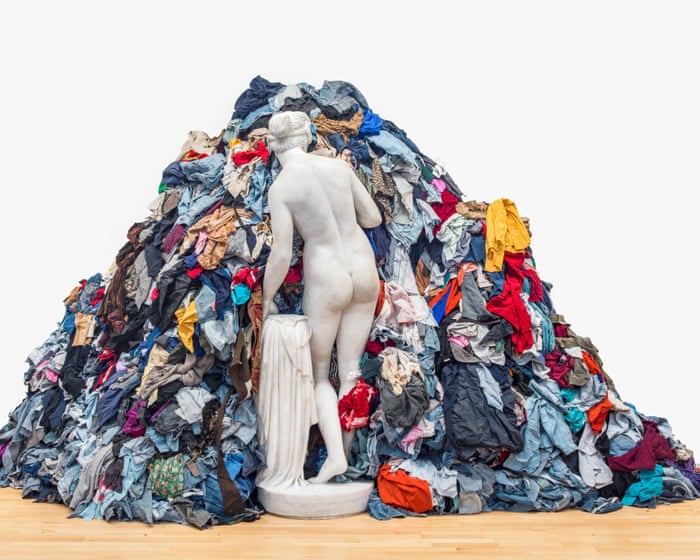
A new exhibition at Oxford's Ashmolean Museum traces the artistic history of the love goddess Aphrodite and her Roman counterpart Venus, though a review argues the show is less about Venus herself than about recasting her as a derivative figure. The exhibition's thesis holds that the Roman Venus was borrowed from the Greek Aphrodite, who in turn is presented as an appropriation of an earlier, matriarchal deity worshipped on Cyprus.
Among the standout loans is an ancient Roman marble known as the Crouching Venus, borrowed from the Royal Collection. The statue has a notable history: it once belonged to Charles I, was sold off after his execution under Cromwell's republic, and was later bought by painter Peter Lely, whose own nude works were inspired by it. The same statue also influenced Rubens' painting Venus Frigida.
The opening gallery surveys Aphrodite's depictions in ancient Greece, including a red-figure vase showing her beauty contest with rival goddesses Hera and Athena, a mythic episode that set the Trojan War in motion. The exhibition then jumps back further in time to prehistoric Cypriot artefacts — abstract idols and terracotta figures linked to childbirth and motherhood — presented as evidence of an earlier goddess cult that the show argues predates and underlies the Greek Aphrodite.
Another key work is a second-century Roman copy known as the Capitoline Venus, based on a lost original by Praxiteles, the Venus of Knidos, which was the first nude depiction of the goddess in Greek art and caused a sensation when unveiled.
The review praises the quality of individual loans but criticises the exhibition's disjointed chronology and uneven treatment of major chapters, including Botticelli's role in reviving the goddess's image during the Renaissance after centuries of Christian suppression.
/nginx/o/2026/10/05/17957367t1h29a5.jpg)