Why Is Latvia's Economy Growing Slower Than Lithuania's?
A rise in investment, stronger exports and less red tape are seen as key conditions for faster growth in Latvia's economy, which continues to lag behind neighbouring Lithuania.
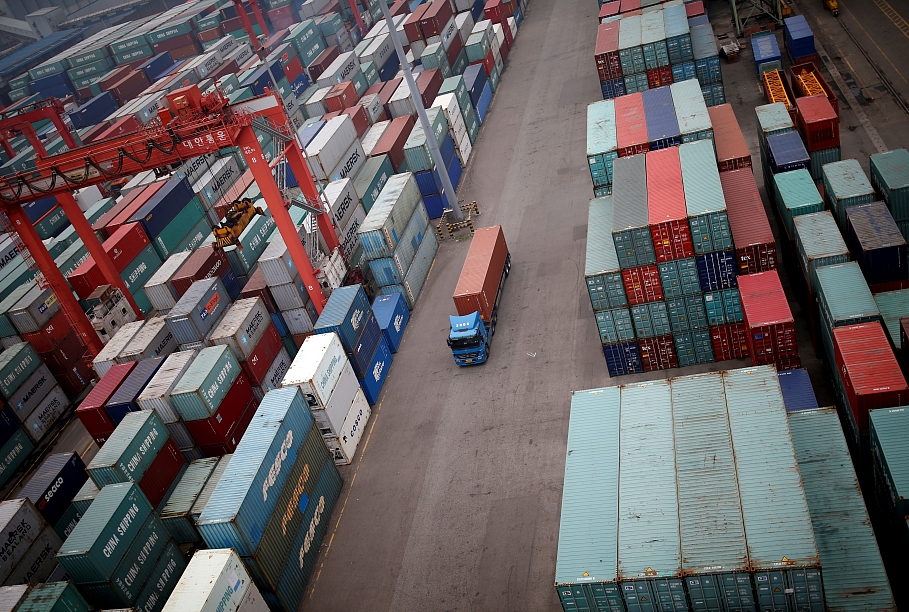
Latvia's future economic growth and its ability to compete globally largely depend on three factors: increasing investment volumes, boosting exports and cutting bureaucratic burdens. These themes are at the center of a recent economic review examining why Latvia's economy is not growing as fast as it could.
Government efforts and outcomes
Several governments have held office in Latvia in recent years, and each has tackled these issues — attracting investment, promoting exports and reducing red tape — with considerable energy. Even so, the results achieved so far could be better.
Comparison with Lithuania
The gap becomes especially clear when Latvia is compared with neighboring Lithuania, whose economy has expanded much faster in recent years. This difference raises the question of why Lithuania has managed to achieve stronger growth than Latvia under broadly similar conditions.
Political promises and future challenges
The review raises the question of what economic promises politicians have made in recent years and to what extent those promises have been fulfilled. It also looks for answers on what needs to change in Latvia's economic policy for growth to accelerate and for the country to compete more effectively on international markets.
Questions about improving the investment climate, strengthening export capacity and reducing the administrative burden remain high on the agenda of Latvia's economic policy.