Why Cats Lick Each Other and Sometimes Fight Afterwards: What Research Shows
Scientists say mutual licking between cats is not always a sign of friendship and can also be linked to tension. The authors of a new study analysed videos of 106 cats.
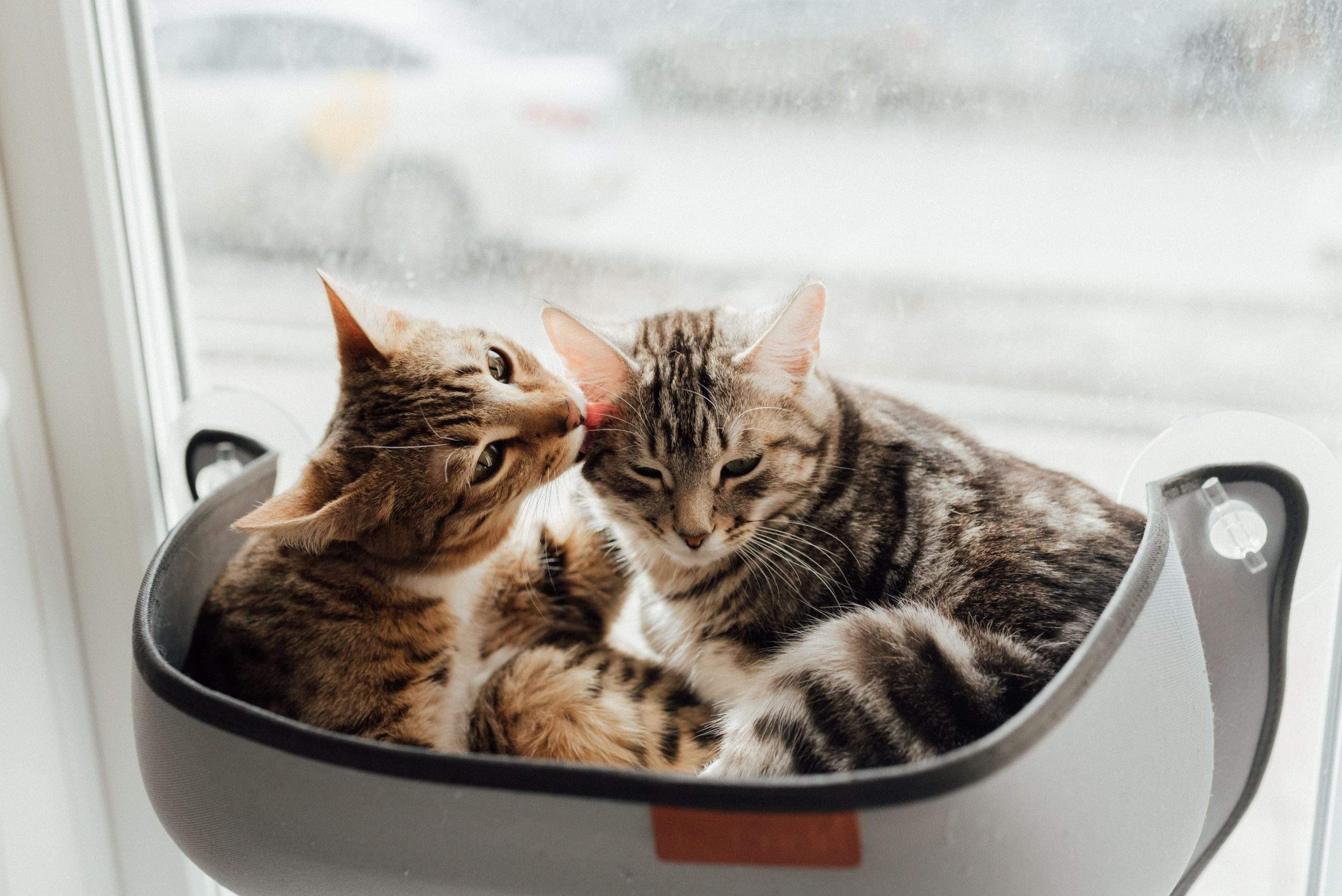
When cats living in the same home lick one another, a behaviour scientists call allogrooming, it is not always just a sign of affection. According to the science portal Livescience.com, researchers say it can strengthen social bonds, calm a tense situation and help clean areas that the other cat cannot reach itself. Despite several decades of study, there is still no single answer to what cats actually communicate to each other with this gesture.
From friendship to tension
For a long time it was assumed that cats lick each other mainly to reinforce their relationship. However, a 1998 study by researcher Ruud van den Bos observed 25 cats living together in a confined environment. Of 83 allogrooming episodes, about 35% were also linked to aggressive behaviour.
In the more recent study, scientists at Ghent University in Belgium analysed videos in which 106 cats from 53 households groomed each other. They looked not only at the licking itself but also at what happened before and after it.
Telling situations apart
If the cats sit close together, lie or sit in similar postures and start playing amicably after grooming, the licking is most likely tied to strengthening their social bond. If, on the other hand, they flatten their ears, lick their lips, shake their heads, scratch themselves, swat with a paw or bite afterwards, the grooming may be linked to social tension.
Head and ears
Cats most often lick each other's head and neck, including the ears, which are places they find hard to reach themselves. A hygienic function is therefore possible, but the researchers did not measure whether the grooming reduces dirt, parasites or infections, so this explanation remains unproven. It is also suggested that licking the ears may help a cat relax, since this area of skin has many nerve endings.
Why a fight may follow
If scuffling breaks out after licking, the grooming may have taken place in a situation where tension already existed. Licking can act as a calming signal that helps prevent a more serious conflict, but around the neck it may also be a subtle signal of dominance or threat. For this reason, a relationship cannot be judged from licking alone; body language and behaviour before and after it must be considered.