Why Baltic people safely eat a mushroom Western Europe considers poisonous
The man on horseback mushroom is popular in Baltic cuisine, but Western Europe has treated it as dangerous since the early 2000s following poisoning cases. Experts say the risk appears linked mainly to excessive, frequent consumption.
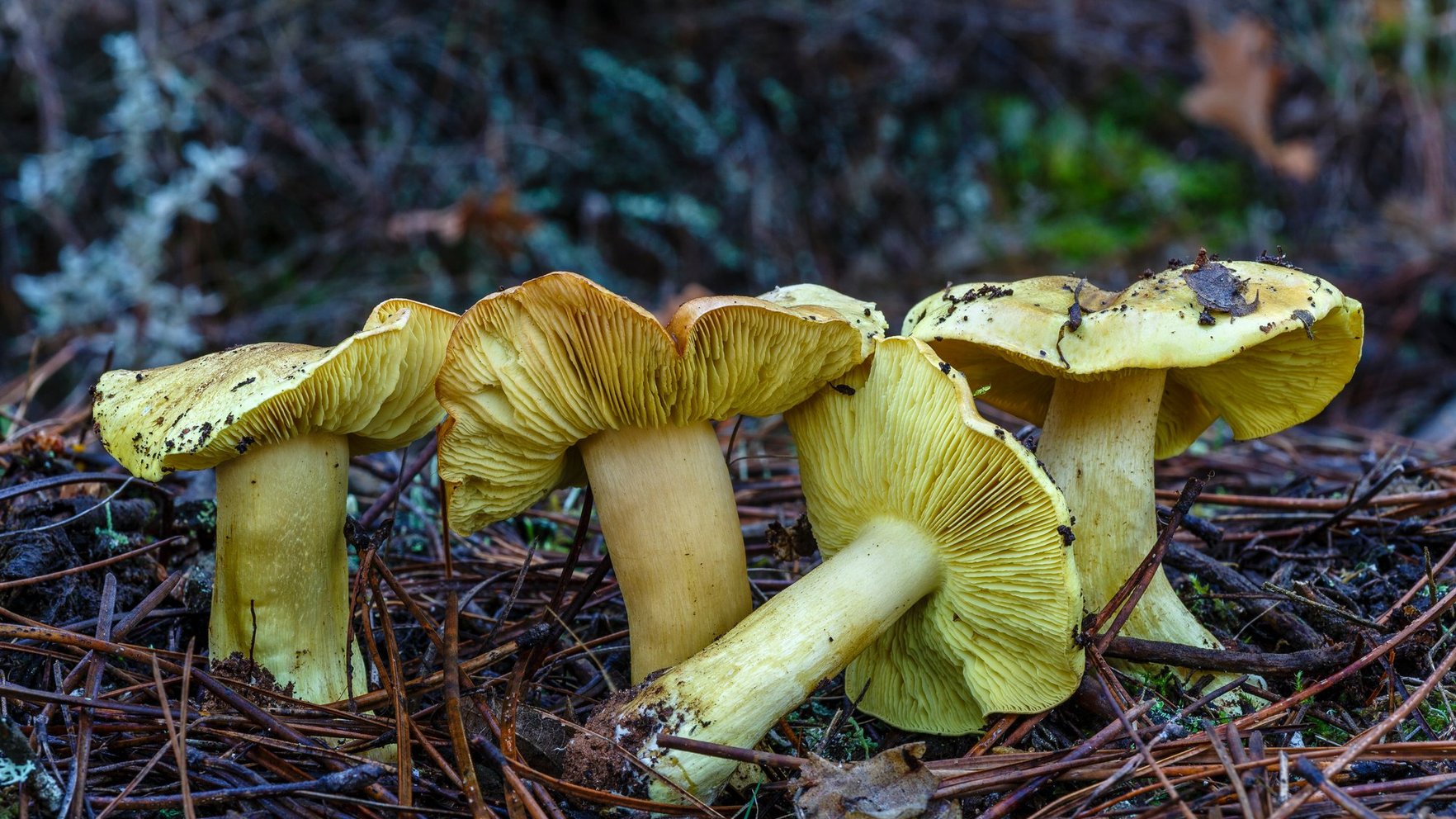
A mushroom favored in Latvia, Lithuania and Poland — the man on horseback (Tricholoma equestre) — has been regarded as potentially dangerous in Western European countries for two decades, while Baltic residents continue eating it without major concern.
Diverging views across Europe
Latvian foraging resources offer conflicting guidance on the mushroom. The website Latvijasdaba.lv describes it as a popular edible mushroom suitable for frying, pickling and salting, with the only advice being to rinse off the sand clinging to it. Meanwhile, the online mushroom encyclopedia Senes.lv warns that France, Poland, Lithuania and Switzerland have recorded several serious poisoning cases linked to eating large quantities of the mushroom multiple times a day over several consecutive days.
The scientific turning point
European attitudes shifted after a 2001 scientific paper led by researcher Regis Bedry. The study documented 12 serious poisoning cases, three of which were fatal. The research team stated that other possible causes — bacteria, viruses, exposure to other toxins, or immune system disorders — had been ruled out, and the mushroom was identified as the cause.
Following the report, France and several other European countries changed their stance on the mushroom's safety, but it remains widely consumed in the Baltic states.
An experiment found no harm
Notably, a 2018 experiment in Poland involved ten volunteers eating the mushroom in relatively large amounts, and it produced no negative health effects. This suggests the danger may stem less from the mushroom itself and more from how frequently and in what quantities it is eaten over a short period.