Labour's new EU negotiator pledges faster push for closer UK-Europe ties
Hamish Falconer, the new minister leading post-Brexit talks under Andy Burnham's government, says the UK will pursue a deeper and more ambitious relationship with the EU, particularly on services, while keeping Labour's red lines on the single market and customs union intact.
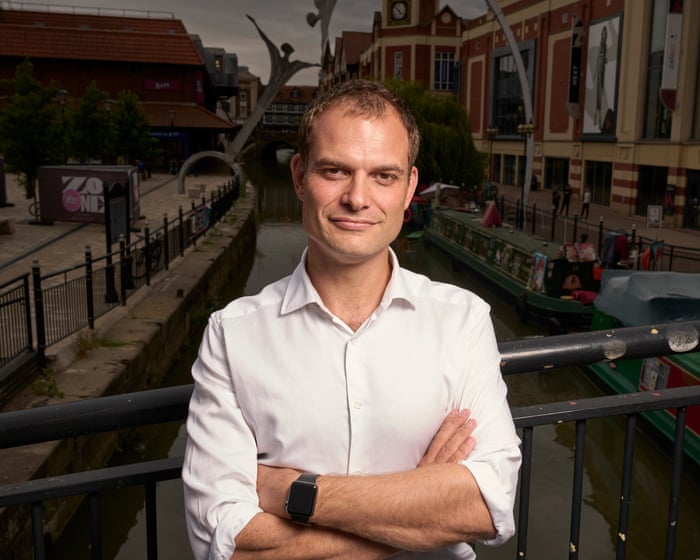
The UK's newly appointed cabinet minister overseeing post-Brexit negotiations, Hamish Falconer, has said the government under Andy Burnham intends to pursue closer and more ambitious ties with the European Union. He stressed that Labour's manifesto commitments — ruling out rejoining the single market and customs union — remain firm, but that there is still room for ambition within those boundaries.
Falconer identified services as the next major area where progress could be made, potentially including visa-free travel for British workers in the EU and mutual recognition of professional qualifications. He noted that services is a sector where the EU itself is less integrated internally, and where both sides face similar productivity challenges.
A renewed pace
Falconer, a former Middle East minister and Foreign Office diplomat, said he wants to bring fresh momentum to the talks, though no date has yet been set for the next summit. A summit planned for July was postponed after Keir Starmer resigned as prime minister in June. It is thought the next summit could be pushed to October, giving Falconer time to master the details.
EU diplomats had voiced concern earlier this summer that talks under Starmer had lost momentum, particularly over a stalled youth mobility scheme. A central sticking point remains the UK's reluctance to grant EU students the same lower tuition fees as domestic students, a move opposed by financially strained universities.
Falconer said any deal must work for both sides and that he is mindful of the financial pressures facing universities. He also emphasised the principle of European solidarity beyond trade, extending to defence, security and shared challenges such as climate-driven wildfires.
A previously agreed deal easing barriers on food and drink exports is expected to take effect before summer 2027. However, the UK has yet to secure entry into the EU's €150bn Safe defence investment fund, after talks collapsed last November amid a dispute with France.
/https://i.s3.glbimg.com/v1/AUTH_59edd422c0c84a879bd37670ae4f538a/internal_photos/bs/2026/1/7/HONXx0RRaFdfnF6ok09Q/2026-09-28t183155z-928253705-rc2isna9n4vm-rtrmadp-3-usa-trump-steel.jpg)