India: West Bengal deportations raise human rights concerns
Indian authorities in West Bengal have launched a large-scale deportation of undocumented immigrants, sparking international concern and allegations that Indian citizens may be wrongly expelled.
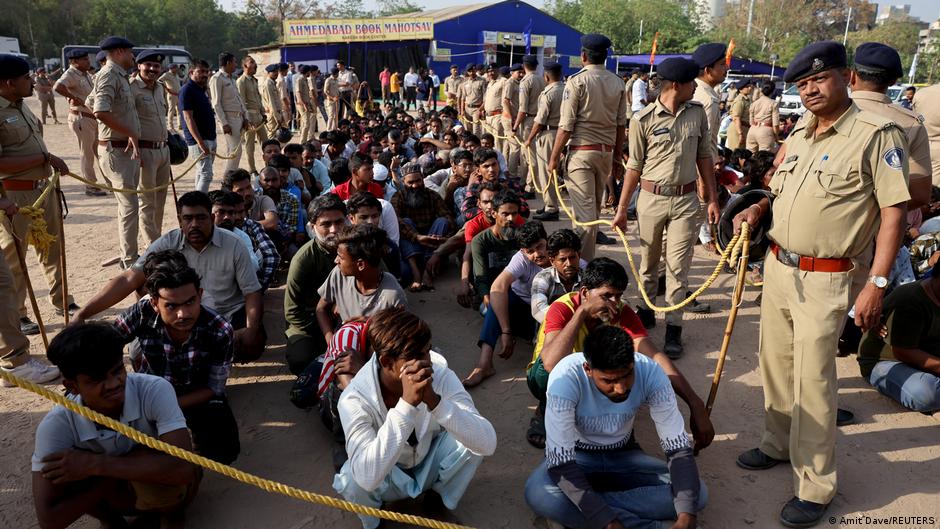
The ruling BJP party in India is delivering on its campaign promise to "detect, delete and deport" following its recent election victory in West Bengal. According to state Chief Minister Suvendu Adhikari, nearly 4,800 people have already been sent back to Bangladesh, with another 836 in custody.
Indian Home Minister Amit Shah has stated that the government aims to make the borders with Bangladesh and Pakistan "impenetrable" to counter what he calls a "conspiracy to change the country's demography." This crackdown has long been a key political issue for the BJP, especially in border districts.
However, human rights groups warn that previous drives against undocumented migrants have swept up Indian citizens, particularly Bengali-speaking Muslims. Activist Harsh Mander cautions that when the burden of proving citizenship falls on poor and marginalized communities, the risk of wrongful expulsion is very real.
Bangladesh has officially objected to the deportations, calling them "unacceptable" and insisting that it will only accept individuals whose Bangladeshi citizenship has been properly verified. Experts note that this approach risks creating diplomatic friction between the two nations.
Opposition parties, such as the TMC, accuse the BJP of using immigration for political gain. TMC lawmaker Sagarika Ghose argues that deportations must follow legal procedures and respect citizens' rights.
The debate in West Bengal thus extends beyond immigration to encompass questions of citizenship, identity, due process, and state responsibility.