Estonia's vocational schools say extra €14 million won't deliver real reform
Estonia's government will give vocational schools nearly €14 million in extra funding next year to support education reform, but the sector says a new long-term funding model is still needed.

Estonia's Ministry of Education and Research plans to allocate almost €14 million in additional funding to vocational schools next year to help implement ongoing reforms in vocational education. The ministry's broader goal is for at least 40 percent of basic school graduates to choose applied secondary education by 2035.
As part of that effort, new four-year curricula targeted at basic school graduates were introduced this academic year, prompting vocational schools to rethink how they operate. Ülle Matsin, head of the ministry's general and vocational secondary education department, explained that school budgets for the current year were set before the reform's full effects became clear. With shifts such as a growing share of basic school graduates entering vocational secondary programs, funding needs — including for teaching materials — are changing.
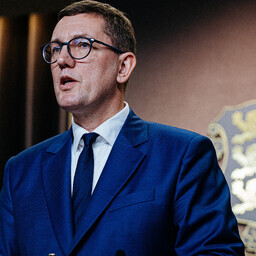
Kuno Rooba, chairman of the Estonian Association for the Advancement of Vocational Education, welcomed the additional funding, saying it shows the sector's concerns have been heard. He stressed, however, that the overall vocational education funding model needs a longer-term review, since its current structure doesn't provide enough resources to meet the reform's goals. According to Rooba, the applied secondary education now being delivered differs substantially in content from earlier vocational programs, involving more activities and therefore requiring more funding for teachers, support staff and materials.
Negotiations between the ministry and vocational school representatives over the components of the funding model are set to begin this Friday. The ministry believes funding levels must reflect the new reality and that the principles underlying vocational and general secondary education funding could be brought closer together. Matsin said discussions are also addressing how responsibilities — such as coordinating teacher professional development — should be divided among schools.
Looking further ahead, updating the funding model itself could increase the total resources directed to vocational education. Because funding is tied to the cost of educating each student, a rising number of basic school graduates entering vocational schools will naturally shift a larger share of overall education funding toward the vocational sector.