Estonian poultry keeper on rescued hens: situation at egg farms is tragic
Estonian poultry keeper Priit Lomp has taken in some of the 400 hens rescued from a caged-hen farm in southern Estonia, warning that around 700,000 more hens still face imminent slaughter.
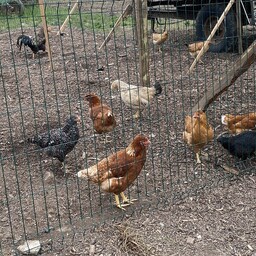
Estonian poultry keeper Priit Lomp described the situation at caged-hen egg farms in southern Estonia as tragic in an interview on ETV's program "Ringvaade." He and his family took in part of a group of 400 hens rescued from one such farm by the organization "Nähtamatud loomad" ("Invisible Animals").
According to Lomp, the newly rescued hens were first placed in a greenhouse, kept apart from the family's existing flock. This approach was recommended a few years earlier, when the family took in its first caged hens through the same organization, so the newcomers could regain strength and confidence before being introduced to the rest of the flock. The family currently keeps ten hens and one rooster. The new arrivals ended up eating basil grown in the greenhouse, but left eggs behind in what Lomp described as a gesture of gratitude.
Decision driven by disturbing footage
Lomp said he was deeply affected by video footage filmed at caged-hen farms. He discussed the issue with his children, and the family took in its first caged hens two years ago. He pointed out that hens on such farms are sent to slaughter at a very young age — between one year and three months and one year and ten months old — while his own family's hens are already six years old. He said the family is doing everything possible to help the hens integrate peacefully, since otherwise the rescued birds would simply have been slaughtered.
Hundreds of thousands still at risk
Lomp noted that the overall situation remains tragic, as roughly 700,000 hens are still being kept at such farms and will soon be sent to slaughter, since their first laying period has ended and keeping them longer is considered uneconomical. He urged shoppers to check the numbers printed on egg shells when buying eggs at the store, as these indicate the conditions under which the hens were kept. When hens in Lomp's care die of natural causes, the family buries them.