Gunda Reire: International Order Is Not Ending, Its Rule-Makers Are Changing
In an opinion piece on Delfi, Gunda Reire argues that the international order will survive but change, and outlines three possible future scenarios. She says it is vital for Latvia to preserve as much rule of law as possible.
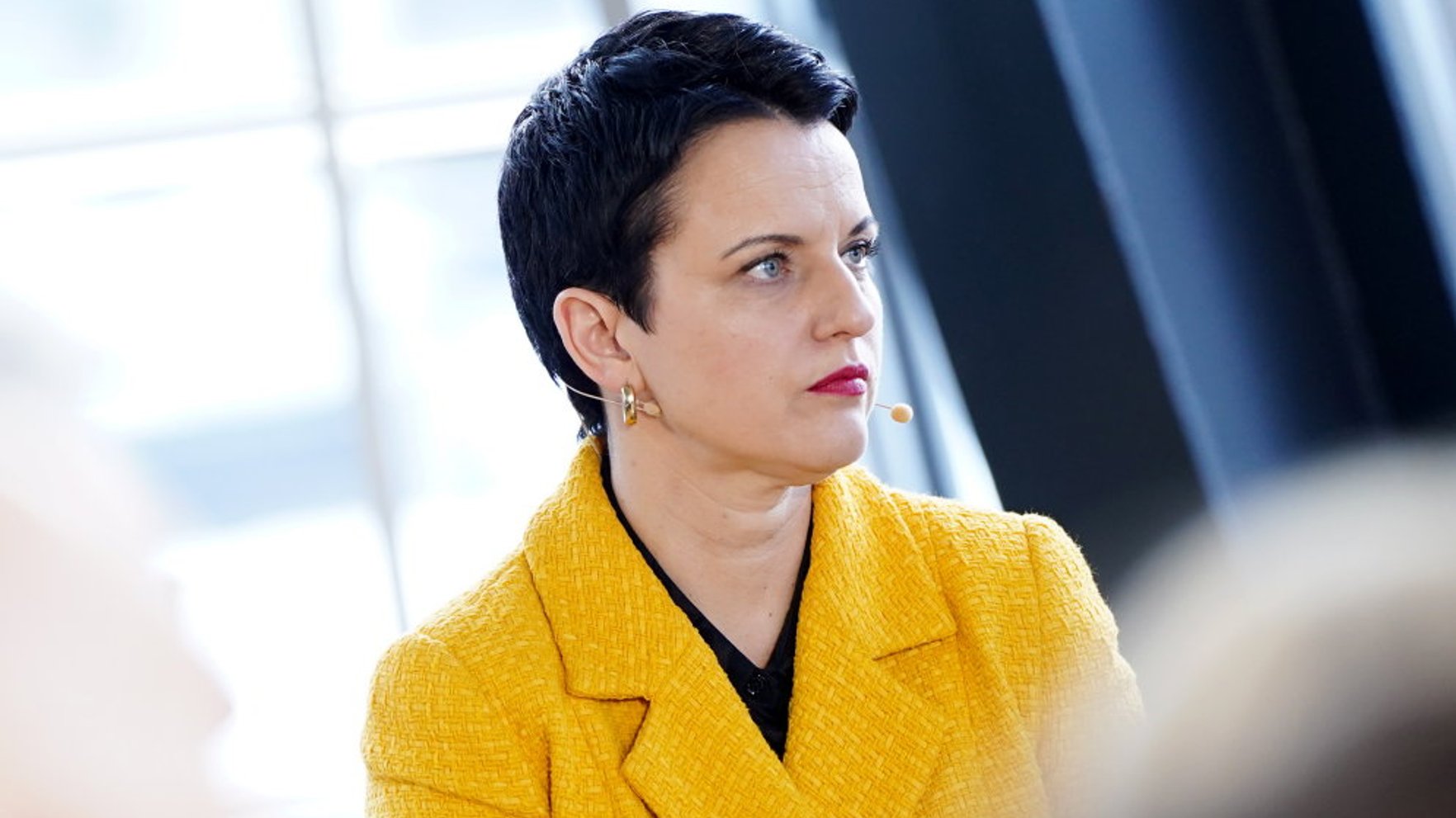
The Latvian news portal Delfi has published an opinion piece by Gunda Reire on the international order, which is under strain from Russia's aggression against Ukraine, China's growing power, the paralysis of the UN Security Council and rivalry between major powers. The author argues that the real question is not whether order will survive, but what kind it will be, who will write its rules and what place small states such as Latvia will have in it. The text is the author's opinion and may not match the position of Delfi's editorial team.
How Russia and China grew
According to the author, for roughly two decades after the Cold War the international system was unipolar, with the United States facing no comparable global rival. China and Russia, which now challenge the existing order, grew within that system. The open global economy helped China carry out a major economic transformation, while involvement in energy and financial markets gave Russia resources to rebuild its power. The Western assumption that integration into the world economy would make states want to preserve the order proved overly optimistic. Even so, the author believes the aim of including both countries was right; the method was flawed.
Three scenarios
In the first scenario, a rules-based order survives but becomes more competitive and pragmatic, and Europe must take far more responsibility for its own security. This would be the most favourable outcome for Latvia. In the second, the world splits into two blocs, one around the US and its allies and one around China, with states in between trying to keep strategic independence. Bloc membership would also be shaped by technologies used and economic dependence. In the third, China increasingly sets the world's direction; force outweighs law and small states risk becoming objects of great-power decisions. This would be the least favourable for Latvia.
Russia's role and knowledge as a resource
The author describes Russia as a destabiliser and aggressor but not the architect of an alternative order, and considers the relationship between US and Chinese power decisive in the long term. She says Latvia needs cooperation among universities, state institutions and businesses, as well as social science expertise, to understand change in time and influence its course.
