Gene therapy can partly restore sight in blind people
Optogenetic gene therapy has proved safe and partly restores vision in people with advanced retinitis pigmentosa. The results come from a trial of ten participants followed for up to five years.
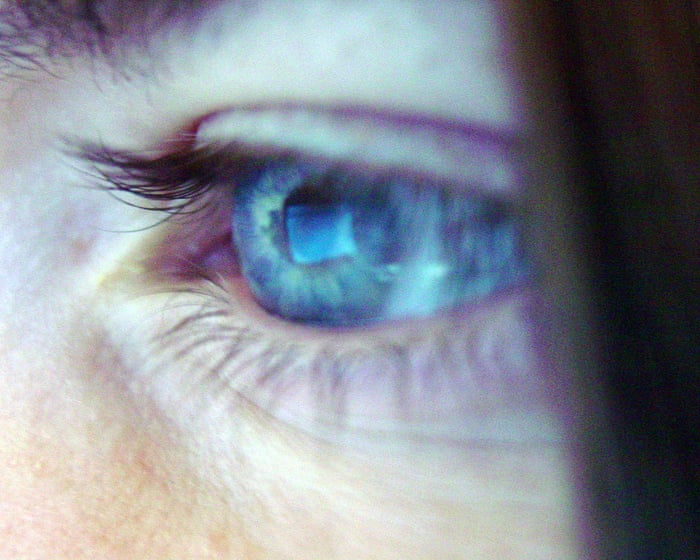
Researchers report that a gene therapy built on Nobel-winning science for switching nerve cells on and off with light is safe and can partly restore sight in blind people. The technique, called optogenetics, earned the 2026 Nobel prize in physiology or medicine.
The approach was first shown to partly restore vision in a single patient in 2021. Results are now available from a larger trial that included that patient and nine others. All ten participants had advanced retinitis pigmentosa, a group of genetic disorders thought to affect more than 1.5 million people worldwide.
How the treatment works
In these disorders, the light-sensitive cells of the retina gradually stop working, while ganglion cells, which relay visual information to the brain, deteriorate more slowly. That makes them a suitable target. A single injection into the eye delivers a harmless synthetic virus carrying instructions for a light-sensitive protein into surviving ganglion cells. Patients then wear goggles that capture their surroundings and turn them into pulses of single-wavelength light. These activate the modified cells, letting the wearer perceive a monochrome image. The method does not depend on the genetic cause of the sight loss.
Results
Only the worse-seeing eye was treated, and participants were followed for up to five years. One severe eye-related side effect occurred but resolved within minutes, and there were no therapy-related side effects elsewhere in the body. Six of the ten participants had clinically meaningful gains in light sensitivity. Some also improved at tasks while wearing the goggles, such as locating and touching a notebook, finding a door and walking along a line. Those who trained more with the goggles tended to do better.
There are limitations: patients can detect objects but not yet faces, because the treated cells form a ring around the fovea, which handles sharp central vision. Lead author Botond Roska hopes high-resolution vision can be achieved in five to 10 years. Mark Hankins of the University of Oxford, who was not involved, called the results “baby steps, but they’re critical.”