Experts: H5N1 Bird Flu Arrival in Australia a 'Genuine Wildlife Emergency'
Australia has confirmed its first mainland case of deadly H5N1 bird flu, sparking fears for wildlife. The government extended fuel excise cuts and introduced contactless payments on Melbourne trams.
Bird Flu Emergency
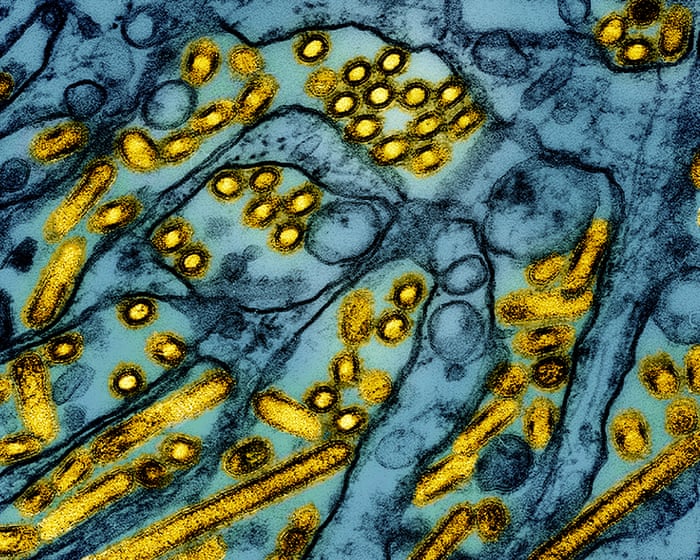
Mainland Australia has recorded its first case of the deadly H5N1 bird flu strain, which has devastated wildlife populations globally. An infected migratory seabird, a brown skua, was found dead at Cape Le Grand National Park near Esperance in Western Australia last Sunday. Tests by the CSIRO confirmed H5N1. A second bird, a giant petrel, was found unwell nearby, and Western Australian tests indicate H5 bird flu.
Wildlife experts described the development as a "genuine wildlife emergency." Kate Millar, CEO of BirdLife Australia, said the potential for the virus to kill significant numbers of wildlife could be catastrophic for threatened species. "We are talking about possible extinctions, alongside severe impacts to common birds like our beloved pelicans and black swans," she said.
The Invasive Species Council (ISC) and Australian Marine Conservation Society (AMCS) called for an extra $200 million in funding over two years. Agriculture Minister Julie Collins said authorities will first investigate whether the disease has spread to other wildlife in WA.
Fuel Excise Extended
The government will taper its fuel relief, reducing the excise cut from 32 cents to 16 cents per litre from July 1 to August 2. Prime Minister Anthony Albanese noted it will take "many months" for global oil markets to normalize. The cut will reduce the cost of a 65-litre tank by about A$11.
Contactless Trams in Melbourne
From today, Melbourne tram passengers can pay using bank cards, smartphones, or smartwatches. The long-awaited rollout follows similar systems on trains and regional routes. Buses will follow later. Minister Gabrielle Williams said four in five tap-and-go trips are already made with phones or smartwatches.