Austrian MEP speaks out on nude deepfakes of herself and urges EU action
Lena Schilling, an Austrian Green member of the European Parliament, says nude AI-generated images of her have circulated online. She and other MEPs are urging the EU to ensure an upcoming ban is actually enforced.
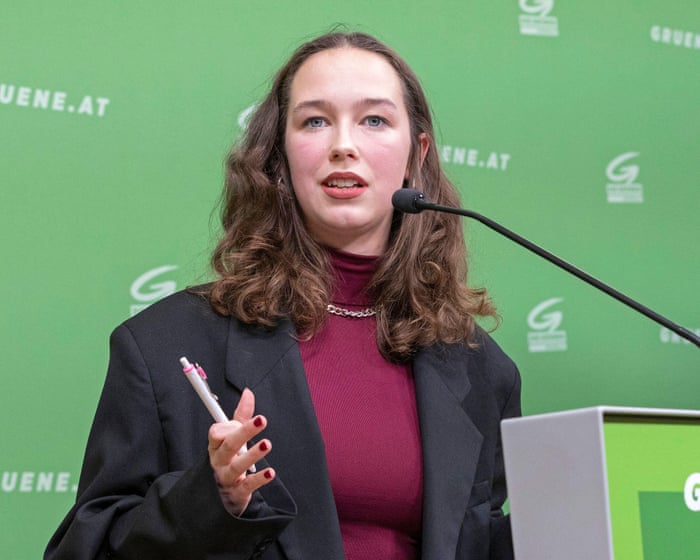
Lena Schilling, an Austrian Green party member of the European Parliament, has spoken publicly about discovering that AI-generated nude images of her were circulating online without her consent. She is calling on the European Union to act, after a new report found that one in six female MEPs has been targeted by sexualised AI-generated content.
Schilling learned about the deepfakes last month, when the Berlin-based thinktank Agora Digitale Transformation (ADT) alerted her. Opening the links, she found frames from one of her first press conferences, digitally altered to remove her clothing. She said she had prepared carefully for that event, and that seeing the image used to harm and humiliate her was hard to take in.
What the report found
The ADT report says 50 MEPs have been targeted by sexualised deepfakes, 46 of them women. The thinktank describes the problem as a systemic threat to women in European politics. An earlier ADT study found that 138 female parliamentarians from 22 EU countries had been affected, and that women were 33 times more likely than male colleagues to be depicted in or linked with deepfake pornography.
Schilling calls the images a form of digital violence against women, added to the sexist abuse and harassment already common in politics. She argues this threatens democracy because women may withdraw from public life. Some other targeted MEPs fear speaking out, she said, but she stresses that victims have nothing to be ashamed of.
Letter to the EU
Schilling and German Green MEP Terry Reintke initiated a letter to the EU that 119 MEPs have signed. It asks that a forthcoming ban on apps and websites that use AI to undress women, due to take effect across the EU on 2 December, be matched with mechanisms to enforce it. "A ban on paper protects no one until it is enforced," the letter says.
Schilling hopes national authorities will close loopholes that would let such apps keep operating in the EU, and that member states will take firmer action against tech companies.


