European Parliament and PACE Adopt Resolutions Against Transnational Repression, Protecting Russian Exiles
The European Parliament and the Parliamentary Assembly of the Council of Europe have adopted resolutions targeting transnational repression, especially by Russia, calling for protection of exiled journalists and activists.
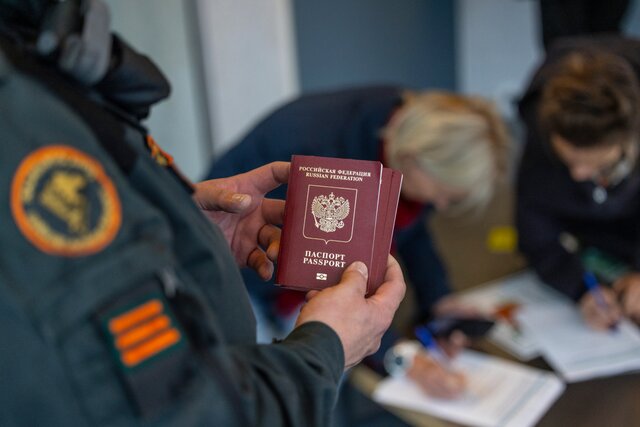
In June, the European Parliament and the Parliamentary Assembly of the Council of Europe (PACE) passed resolutions aimed at countering transnational repression against exiled journalists, human rights defenders, and activists. Russia is named as one of the main perpetrators.
The resolutions define transnational repression as deliberate acts or threats by a country of origin against individuals or groups. German Green MEP Hanna Neumann noted that over a quarter of all states practice such repression, endangering about 3.5 million people. Russia, Iran, China, and Belarus are identified as leading aggressors.
The document lists Russia's methods: killings, assassination attempts, surveillance, digital harassment, intimidation, abductions, cyberattacks, blackmail, smear campaigns, pressure on relatives, and trials in absentia.
The European Parliament resolution calls for establishing a pan-European monitoring system and creating a coordinator on transnational repression. It urges member states not to treat Interpol notices as automatic grounds for arrest and proposes an appeals mechanism. A separate section addresses administrative and financial pressure: freezing accounts, denying consular services, and revoking passports. The resolution demands that EU states guarantee access to at least one bank account and create emergency financial support mechanisms.
The PACE resolution, adopted on June 25, similarly calls for strengthening and simplifying the issuance of "gray passports" to victims of transnational repression. It also recommends ensuring access to basic banking services and increasing funding for services handling requests about political opponents.
Russian politician Dmitry Gudkov, who helped draft the PACE resolution, emphasizes that both documents matter: the European Parliament represents the EU, while PACE unites 46 countries, including Turkey and Armenia. He acknowledges that quick results are not expected, but the introduction of the term "transnational repression" is a significant step.
The resolutions are not legally binding but serve as political signals. They come amid tightening EU migration policies, with Germany and France limiting humanitarian visas for Russians. Gudkov argues that "gray passports" could replace humanitarian visas.

/nginx/o/2026/10/16/17978353t1h4f4d.jpg)