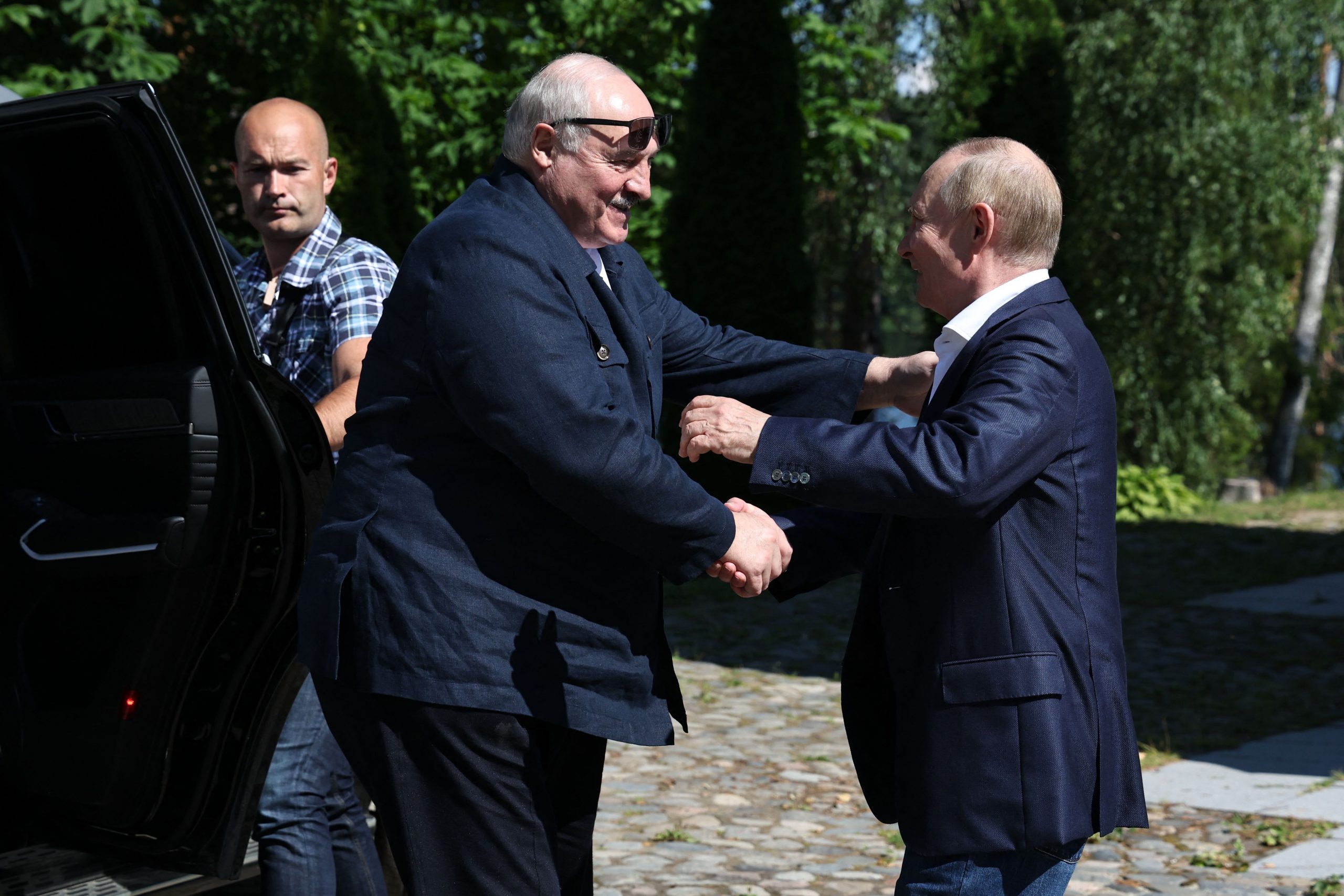
Europe searches for ways to curb Russia's growing hybrid warfare
A wave of suspected Russian sabotage across Europe has intensified over the past month, leaving governments still struggling to find ways to punish Moscow without risking direct military confrontation.
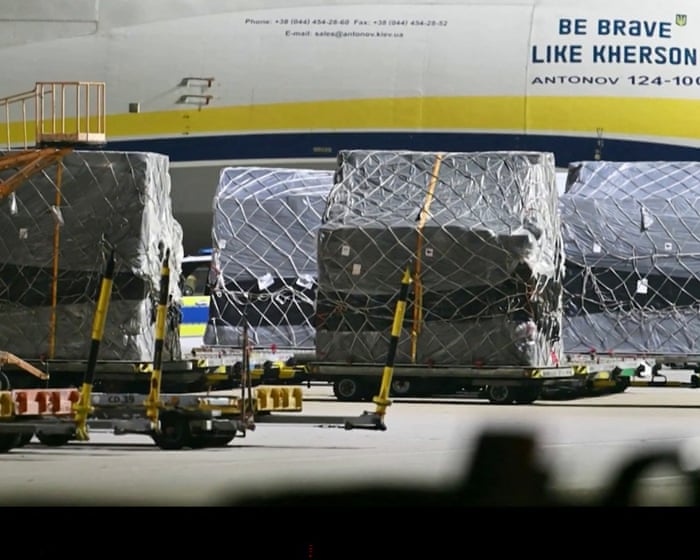
Over the past month, several European countries have faced suspected sabotage incidents linked to Russia. An explosives-laden drone was found near a Ukrainian cargo plane at Germany's Leipzig airport, Poland has dealt with suspected acts of sabotage, and unexplained explosions and fires have struck defence facilities across Europe that supply Ukraine.
The incidents vary widely in scale and sophistication, but share one trait: they are difficult to trace conclusively back to Moscow. This stems from how Russian intelligence services now organise their operations — relying less on professional operatives sent abroad and increasingly recruiting people remotely, including through Telegram channels, paying them in cryptocurrency for individual tasks while the directing officers stay safely at home. A similar pattern emerged in Denmark this week, where authorities warned Moscow was recruiting Danish citizens to sabotage defence companies tied to Ukraine.
Faster response, cautious punishment
While it took German investigators nearly nine months to publicly link a 2024 incendiary parcel explosion at a DHL hub in Leipzig to Russia's GRU military intelligence, Berlin moved much faster this time, blaming Moscow within days after the second Leipzig airport incident. Its punishment, however, has remained measured — Germany closed a Russian cultural centre and a consulate, prompting Moscow to shut down the already diminished Goethe-Institut in response.
Europe's options are also limited because most European intelligence services, unlike the US Central Intelligence Agency, have far less authority to conduct covert operations abroad. Several EU states, including the Netherlands, have therefore introduced bills to expand their intelligence agencies' surveillance powers. More concrete action has come regarding Russia's shadow fleet vessels — on Wednesday, Norwegian authorities seized a Russian vessel near the Svalbard archipelago at Ukraine's request.
Poland and the Baltic states have repeatedly urged their western allies to take a tougher stance. Polish Foreign Minister Radosław Sikorski said on Thursday that hybrid war means assassination squads, arsonists, the bombing of moving trains, and airspace violations by drones and cruise missiles, adding that Putin needs to understand such actions carry consequences.