Britain's Jurassic Coast fossil hunt turns into a lucrative trade
Fossil hunting along England's Dorset coast has grown from a hobby into a thriving marketplace, with prized collections now selling for millions to overseas museums. Social media exposure and rising interest are also raising concerns about overcollection.
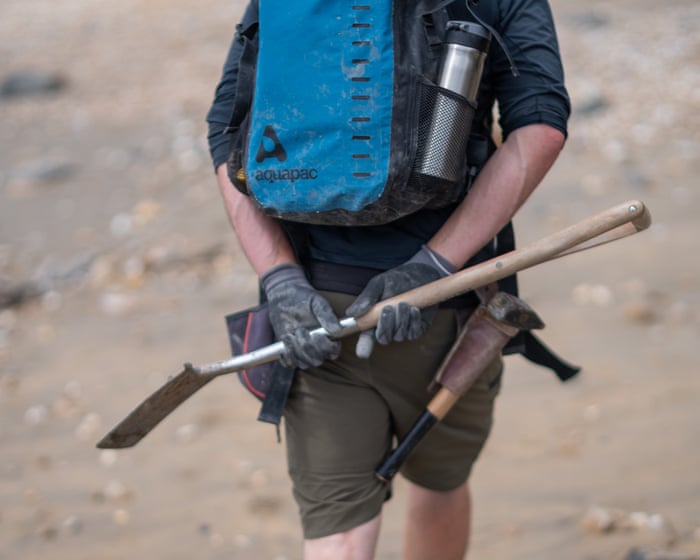
For centuries, the Jurassic Coast in Dorset, southern England, has been renowned as one of the world's richest sites for uncovering fossils roughly 190 million years old. Today, families, hobbyists and dedicated collectors alike scour the beaches daily, scanning pebbles for the tell-tale spirals of ammonites, crinoid remains and other traces of ancient life.
Professional guide and fossil hunter Martin Curtis says his passion, which began in childhood alongside his father, gradually turned into a business. He now runs guided fossil-hunting walks and sells specimens he prepares himself using specialised tools to extract them from surrounding rock.
Rising value and a global market
It recently emerged that one of Britain's most significant Jurassic fossil collections, built up over years by private collector Chris Moore, was sold to a museum in Abu Dhabi for a sum believed to reach eight figures. The 318-specimen collection may include species previously unknown to science. British museums lacked the funds to acquire it themselves, leading some experts to call the sale a loss for the nation.
The region's fossil-hunting tradition dates back to the late 18th century, when renowned collector Mary Anning was born nearby in Lyme Regis and went on to discover the first complete plesiosaur skeleton. A local code of conduct encourages fossil collecting, since the rapidly eroding coastline would otherwise destroy many specimens, and allows finders to keep what they discover.
Social media reshapes the hobby
Curtis says TikTok and Instagram have significantly changed the scene in recent years, drawing far more people to the coast, a trend accelerated by staycations during the Covid pandemic. He believes natural erosion can no longer keep pace with the number of hunters searching the beaches, and news of fresh finds now spreads quickly online.
While some collectors sell their finds, Curtis says most fossil hunters keep the best pieces for themselves. He acknowledges it is sad when significant discoveries leave the country, but says what matters most is that a collection is appreciated rather than left sitting unseen in storage.


