Riga councillor: Latvian language must live in daily use, not just heritage
Riga city councillor Lauma Paegļkalna calls for actively using the Latvian language daily, citing consumer protection law amendments that took effect September 15 guaranteeing the right to service in the state language.
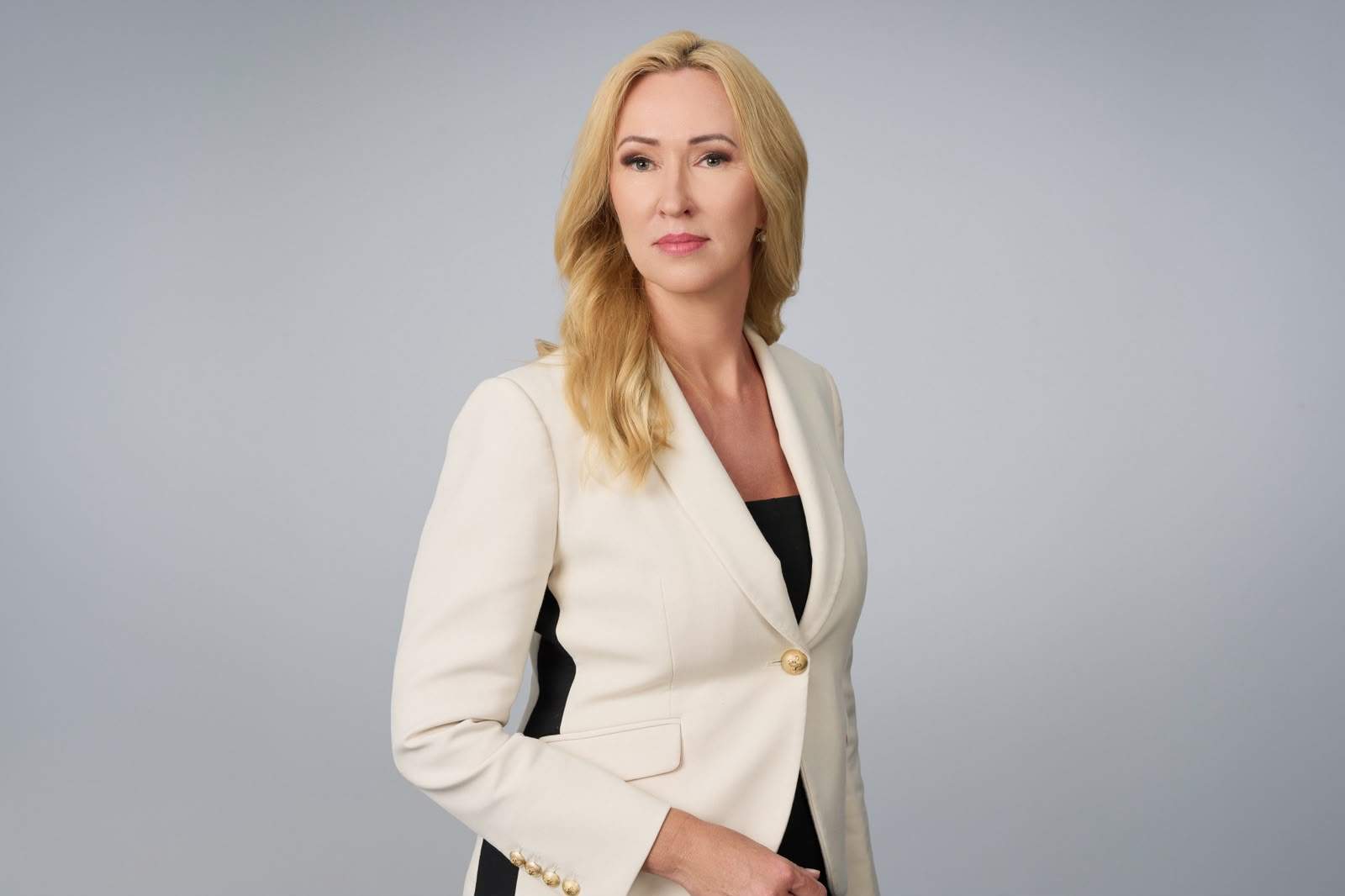
Riga city council deputy and legal adviser to the defence minister Lauma Paegļkalna has published an opinion piece arguing that the future of the Latvian language cannot be left to others — it must be used actively in everyday life. She notes that Latvian is one of only two living Baltic languages, that the Cabinet of Folksongs (Dainu skapis) is included in UNESCO's Memory of the World register, and that the Song and Dance Celebration tradition is on the list of humanity's intangible cultural heritage.
Language as a constitutional principle
Paegļkalna points out that Latvian as the sole state language is part of the unamendable core of the Satversme, Latvia's constitution, but stresses that this principle only becomes meaningful when people can experience it in daily life — in a shop, a café, or on a customer service call.
New legal amendments
The article highlights that amendments to the Consumer Rights Protection Law took effect on September 15 this year, establishing that a seller's or service provider's first and primary language of oral communication must be Latvian, and that no employee is obliged to serve customers in Russian. Paegļkalna worked on these amendments together with Inese Lībiņa-Egnere and the State Language Centre, and the Saeima has since adopted them.
The amendments also cover service documents, digital interfaces, and language choices in technical solutions — including film subtitles, phone operator systems, websites and call centres, which will need to operate in the state language or alongside it in an EU member state or candidate country language. Businesses have been given until June 30, 2027 to implement the requirements.
Historical and international context
The councillor recalls the reclaiming of the Latvian language during the Atmoda (national awakening) period and the 2012 language referendum, and cites UN observer reports documenting how Russia has imposed the Russian language and restricted Ukrainian language and culture in occupied Crimea. She concludes by urging readers to keep conversations in Latvian, demand their rights be respected, and pass the language on to the next generation.