Rising fuel prices squeeze both families and businesses in Estonia
Fuel prices in Estonia have surged amid the Middle East crisis, with the government not yet planning to cut excise duty, creating financial strain for rural families, farmers and haulers alike.
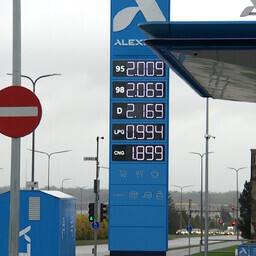
Fuel prices in Estonia are climbing sharply amid the Middle East conflict, and the government is not currently planning to lower the excise duty. The increase is hitting hardest those who depend on cars daily, as well as farmers and transport companies.
A family living in the village of Koosa, in Peipsiääre parish, drives roughly 80–90 kilometers round trip every day to reach work in Tartu, leaving home before dawn. Public transport is not a realistic option, since the earliest bus departs too late for their work schedule, and their family doctor and larger shops are also located in the city. The family now plans every town trip in advance, combining errands and searching for the cheapest fuel station. They currently spend around 500 euros a month on fuel, with a full tank that once cost about 100 euros now costing 146.
Farmers see costs roughly double
A grain farmer in Jõgeva County says diesel now costs around 1.30 euros per liter, more than double the 60–65 cents per liter seen before the crisis around the Strait of Hormuz. Filling a tractor's 450-liter tank, once around 270 euros, now costs about 550 euros — enough for roughly one working day. His annual fuel costs have risen from about 15,000 euros to over 25,000, sometimes reaching 30,000. He says the constant unpredictability makes planning difficult, arguing that unexpected shifts in global politics directly affect his fieldwork.
Waste haulers also under pressure
A waste management company operating around 30 vehicles in the Lõuna region, consuming about 60,000 liters of fuel monthly, says its existing municipal contracts did not anticipate such a sharp price jump. A regional manager called the situation extraordinary and said the company will need to negotiate price adjustments separately with each municipality. Another company in the sector says current contracts don't allow prices to rise alongside costs, leading it to skip some public tenders.
The Koosa family says that if the situation doesn't improve, switching to a more fuel-efficient car may become their only option to cut costs.