DeepMind's hurricane AI model puzzles the scientists who study it
Google DeepMind's storm-forecasting AI is delivering results its own researchers can't fully explain, and the company is now opening the underlying models to outside researchers.
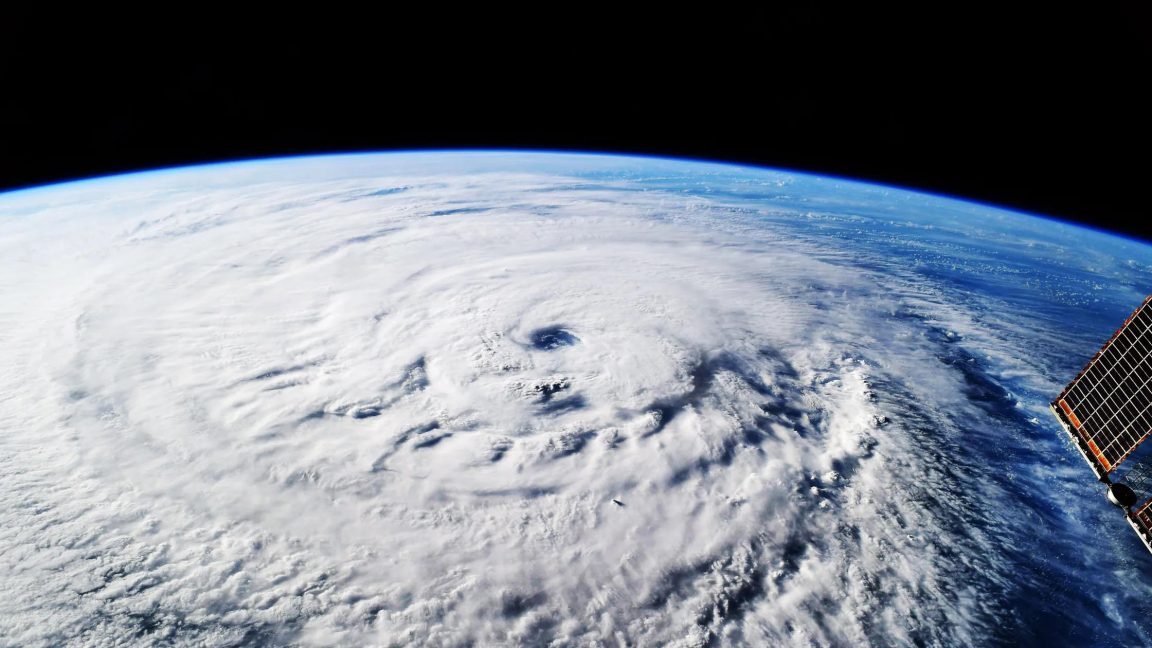
Google DeepMind's artificial intelligence model for forecasting hurricanes appears to be detecting patterns in lower-resolution data that improve predictions of storm intensity, but the researchers behind it admit they don't fully understand how it works. Researcher Fabian Alet describes the system as a "black box," while noting that its success signals to physicists that something previously unrecognized is happening within storm systems.
Multiple scenarios instead of one
Unlike traditional forecasting models that output a single prediction, DeepMind's system generates a whole range of possible outcomes for each developing storm. This approach helps capture the so-called "butterfly effect," where a minor deviation early on can lead to dramatically different results later. Last year the model produced 50 scenarios per storm; this year it generates 1,000. Researcher Musgrave notes that this scale of output simply isn't achievable with existing numerical models given current computing power.
One tool among many
Forecaster Brennan calls DeepMind's model a valuable addition to forecasters' toolkit, but stresses it is only one of several tools available. Strong performance in a past season or for a particular storm offers no guarantee the model will remain the best choice for future seasons or storms. He adds that human expertise remains essential, since a forecast of a storm's track or intensity alone isn't enough — experts are still needed to translate that data into an understanding of likely impacts, which is ultimately what puts lives at risk.
Google DeepMind also announced it is open-sourcing the WeatherNext models used during this hurricane season, allowing researchers to use and build on them. Alet expressed hope that opening the models to the wider research community could lead to new insights into how cyclones function.