Gardening tips: how to care for berry bushes after harvest
Experts explain when and how to prune blackcurrants, redcurrants, gooseberries and raspberries after harvest to boost next year's yield, noting that older branches produce fewer berries.
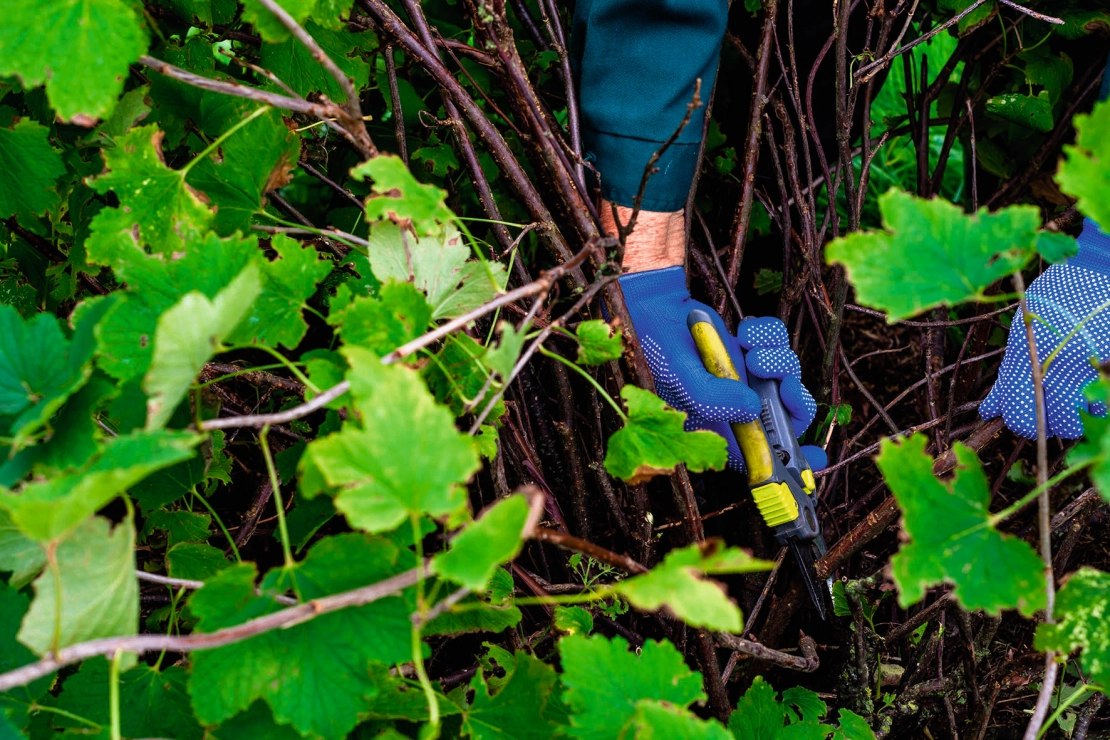
Autumn is a good time for gardeners to focus on berry bush maintenance, since correct pruning directly affects next year's harvest. Different berry types require different approaches.
Currants
Red and white currants produce most of their fruit on side shoots that are two to three years old, so each year it's advisable to remove the two or three oldest main branches, keeping 8 to 12 shoots no older than four years in the bush. Blackcurrants work differently — their best and biggest berries grow on one- and two-year-old side shoots. These are best pruned in summer right after harvest, when it's easiest to see which branches produced fewer or no berries; those should be cut down to the ground. The bush should be left with 10 to 12 main shoots no older than three years.
Gooseberries and raspberries
For gooseberry bushes, two or three of the oldest shoots should be replaced with new ones every year, along with branches growing inward or bending down to the ground. Overall, 6 to 8 main shoots should remain in the bush. Summer raspberries, as agronomist Dainis Apse explains, bear fruit on two-year-old canes that die off afterward, so these should be cut to ground level immediately after harvest rather than left until spring, to avoid encouraging disease and pest spread.
Fertilizing and mulching
In autumn, berry bushes benefit from fertilizer with lower nitrogen and higher potassium content, which helps plants prepare for winter. After leaves fall in October, a Bordeaux mixture treatment can help prevent disease, while mulching with grass clippings, bark or wood chips helps control weeds.
/nginx/o/2026/09/26/17939664t1h5c3c.jpg)