Without reopening the Strait of Hormuz, high fuel prices may become the norm
The EU paid nearly €10 billion more for oil imports in the second quarter than a year earlier, even though import volumes barely changed. Experts warn high fuel prices could become a lasting reality unless the Strait of Hormuz situation is resolved.
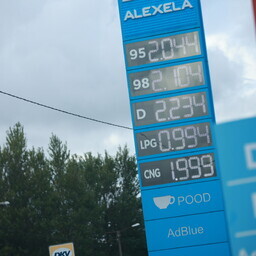
According to Eurostat data, the European Union imported an average of 36.7 million tonnes of oil per month in the second quarter of this year — about 1% more than a year earlier. However, the average monthly cost rose from €17.7 billion to roughly €27.5 billion over the same period.
Europe relies heavily on imported fossil fuels, mostly crude oil that is refined at European plants, as well as imported diesel. But prices for finished petroleum products rose far more sharply than crude prices — diesel prices climbed 113%, more than doubling.
Shortage hits fuel, not crude
Alan Vaht, a board member of fuel company Terminal, explained that there is no shortage of crude oil — the EU imports enough. Diesel, however, must be imported because Europe does not produce as much as it consumes. Since a global diesel shortage has emerged, diesel prices rose more sharply than crude oil prices.
A new normal or a temporary situation?
Economic expert Raivo Vare said record-high diesel and other motor fuel prices could become a lasting European reality. If the war-related situation in the Persian Gulf were resolved, prices could fall — initially due to market sentiment, and later as real supply increases, though full recovery would be slow. If no solution is found, the current situation will persist.
The largest oil suppliers to the EU in the second quarter were the United States, Norway and Kazakhstan, with shares ranging from 13% to 18%, while Russia's share shrank to 1%. Donald Trump has proposed halting US diesel exports as a measure to support American consumers, a move that could deepen Europe's crisis and also negatively affect the US market itself.
Vaht noted the market expects fuel prices to drop by roughly $400 per tonne by April, but throughout the current energy crisis, which began with the Strait of Hormuz crisis, such price declines have repeatedly been pushed further into the future. Experts say the only solution that could truly end the crisis, lower prices and restore trade flows is the reopening of the Strait of Hormuz.