Retired general: new mobilization wave could backfire on Russia
Retired Major General Vladimir Gavrilov says a large-scale mobilization would create economic and political risks for Russia, since numerical superiority no longer determines success in today's drone warfare.
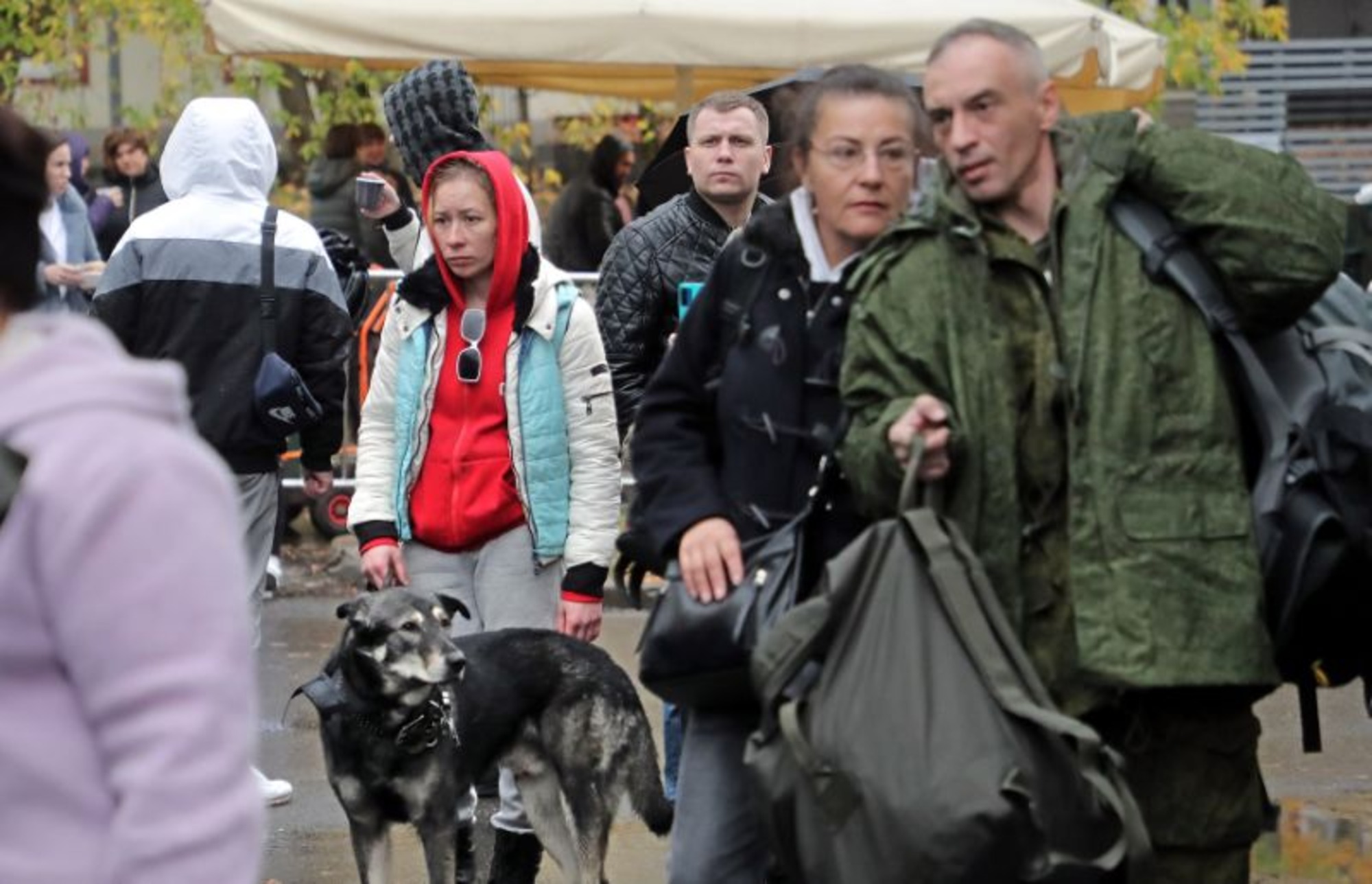
Retired Major General Vladimir Gavrilov, speaking on the Espreso TV channel, said a new wave of mobilization in Russia would create more problems than benefits for the country's leadership. According to him, warfare has become a high-tech conflict in which unmanned aerial vehicles play the decisive role, meaning that a large number of conscripts is no longer as important as it once was.
Economic and political burden
Gavrilov pointed out that those currently fighting are contract soldiers, whereas forced conscription would produce a large mass of people looking for ways to avoid the war. He said equipping, arming and training such new recruits would require Russia to invest substantial financial resources, which the state currently lacks.
Impact of drone warfare
The general stressed that the nature of modern warfare has changed, with drones capable of striking and destroying targets up to 20 kilometers behind the front line. This so-called "grey zone" therefore poses a serious threat to any army attempting to move large troop formations through it, making numerical superiority less decisive than before.
Possible effect on Russia's internal politics
Gavrilov assessed that a large-scale mobilization could worsen internal instability in Russia. He said that from Ukraine's perspective, such a step would actually be advantageous, as it would speed up internal processes within Russia and hasten the possible collapse of its economy and current regime.
/nginx/o/2026/10/05/17957134t1h938d.jpg)