US NATO envoy calls for moving forces eastward as Washington reviews its troop presence in Europe
US Ambassador to NATO Matthew Whitaker said in Warsaw that the alliance must modernize its infrastructure so forces can shift from Western to Eastern Europe. Washington is reviewing its military presence on the continent but has announced no decisions to relocate or withdraw troops.

US Ambassador to NATO Matthew Whitaker said on Monday, October 12, at the Warsaw Security Forum that the alliance must modernize its military infrastructure so forces and equipment can move from Western to Eastern Europe, “where we would expect any future conflict.” His remarks come as the United States reviews its troop posture in Europe, a process that could shape security planning across the continent.
Europe in America's priorities
Whitaker said Europe ranks fourth among Washington's strategic priorities, behind homeland security, the Western Hemisphere and the Pacific. He named outdated military bases, fuel supply chains and agreements governing the stationing of American troops in Europe as areas needing attention under the ongoing US force posture and basing review.
He stressed the importance of military mobility and “moving things from the west to the east,” citing discussions with EU Defense Commissioner Andrius Kubilius. European officials warn that Russia could be ready to attack a NATO country by the end of the decade.
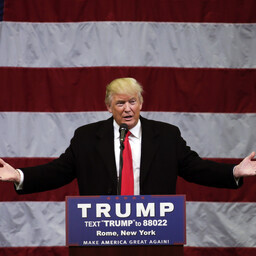
Whitaker announced no decisions to relocate or withdraw US forces, but made clear Washington is reassessing its global commitments to avoid spreading its military resources too thin. “Superpowers and great global powers have mostly had challenges when they get overextended,” he said, adding that President Donald Trump wants allies to be “capable and not dependent.” “The United States isn't stepping back. We're just asking you to step forward,” he said.
Criticism over defense spending
Whitaker also criticized countries falling short of their defense-spending commitments. He said he had recently delivered a “very strong message” to political leaders in Czechia. The country's defense spending this year is about 1.8% of GDP, below NATO's current 2% benchmark. European governments must keep strengthening their armed forces, he argued, because the continent still lacks many capabilities needed to defend itself.
Kubilius, for his part, stressed the need to reduce Europe's military dependence on Washington, pointing to EU efforts to develop its own drone defenses, satellite communications and surveillance capabilities. Marcin Przydacz, an adviser to the Polish president, also on the panel, urged Western European allies to speed up defense spending and stressed that NATO, not the EU, must remain responsible for Europe's collective defense.