US Proposes Unlocking Some Frozen Russian Assets and Placing Them Under Washington's Control
The US has suggested that European countries release part of Russia's frozen sovereign assets into a structure controlled by Washington to restart peace talks, the Financial Times reports. European officials have flatly rejected the idea.
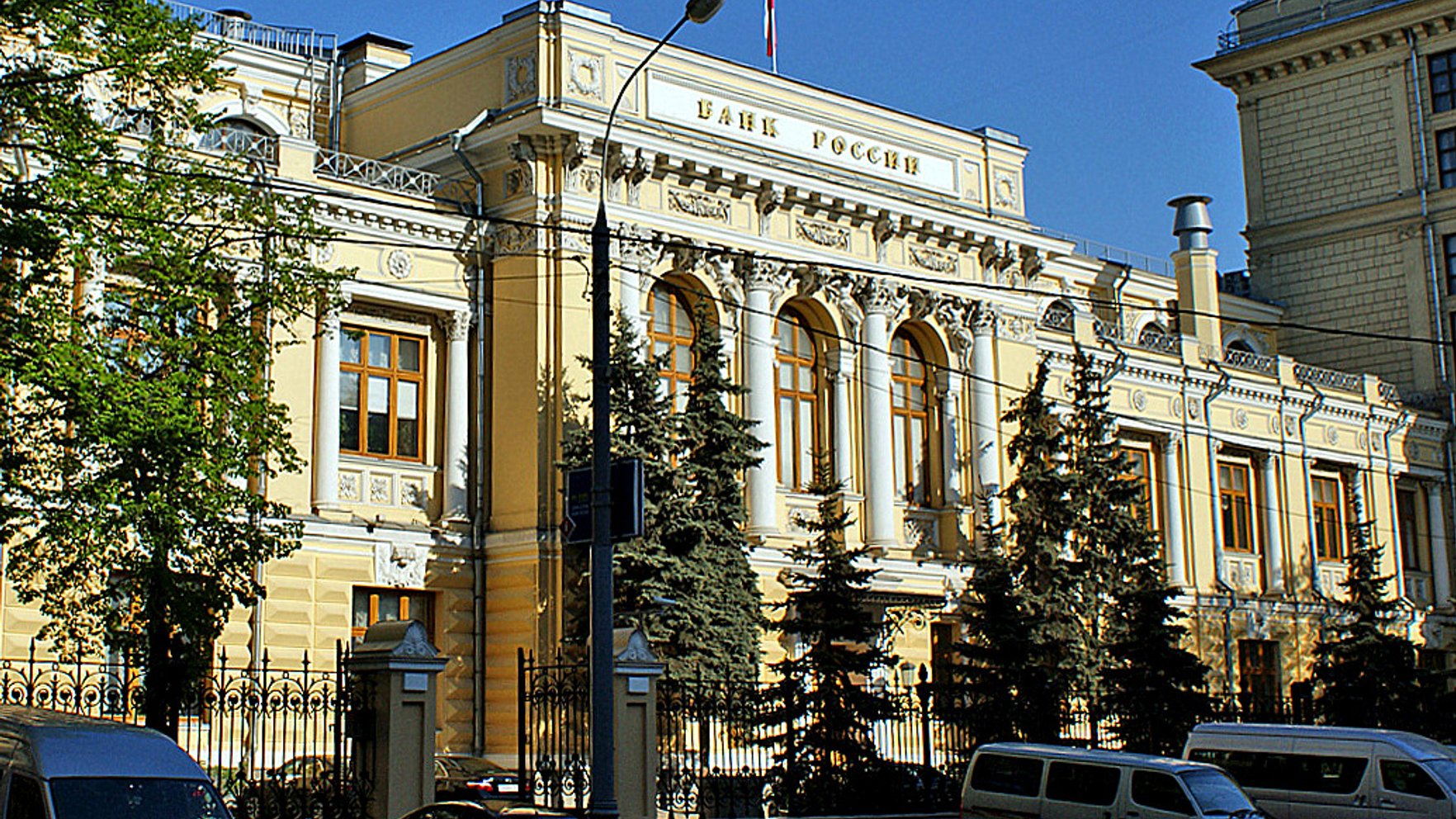
The United States has proposed that European countries unblock part of Russia's frozen sovereign assets and transfer them to a body under Washington's control. The aim is to restart peace talks with Russia, according to the British newspaper the Financial Times, which cites four people familiar with the matter. European officials have turned the proposal down, exposing a disagreement among allies over how Moscow's funds might be used in connection with ending the war in Ukraine.
How the proposal emerged
The idea was put forward by Steve Witkoff and Jared Kushner, negotiators for the US president. It came up on 10 October in Miami, where they met officials from Ukraine, France, the United Kingdom, Germany, the European Union (EU) and NATO.
According to participants in the talks, the US outlined several ways to release the frozen funds. One would move them into a new special-purpose financial vehicle that would sit under the control of Donald Trump's administration.
A US official's comments
A US official said the use of the frozen Russian assets had been discussed as part of a comprehensive peace agreement. He said the mechanisms for unlocking the money and the ways to use it were still under discussion. In his words, many ideas had been floated on how to use Moscow's assets after the war ends.
The European position
European delegates rejected the plan outright. European officials said they oppose giving up control of the assets, as well as handing any portion of them back to Moscow.
Size of the assets
In 2022, in response to Russia's full-scale invasion of Ukraine, Western allies froze roughly 260 billion euros of Russian central bank assets. Most of the money is held in the EU, in the Belgium-based depository Euroclear.
Earlier, in late September and early October, Witkoff and Kushner had proposed a series of "economic incentives" to Russia in exchange for a partial ceasefire.
/nginx/o/2026/10/15/17974385t1h9636.jpg)