England sets 10% organic farmland target for 2036, but funding worries remain
The UK government has published a plan to raise the share of English farmland managed organically to 10% by 2036. Industry figures welcomed it but questioned how the transition will be paid for.
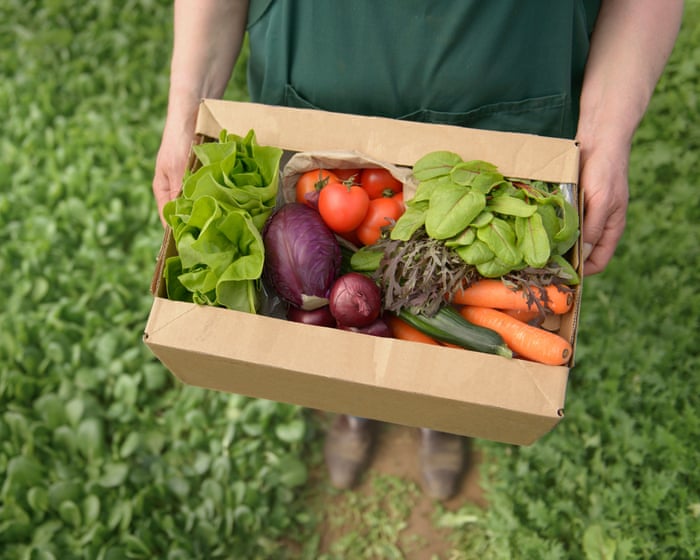
The UK government has unveiled a new plan to expand organic farming in England, aiming for 10% of the country's agricultural land to be farmed organically by 2036. Only 3.4% is organic at present, one of the lowest shares in Europe. Industry groups have welcomed the ambition, but they are asking how the shift will be funded.
What the plan says
The document took more than three years to prepare. It names public procurement, in places such as schools and hospitals, as a significant opportunity. The government already has a long-term goal for 10% of public sector food spending to meet higher environmental production standards, and the plan says organic farming can help achieve it.
Environment secretary Angela Eagle said the plan was about opening up opportunities, from backing farmers already producing organic food to helping others decide whether it could work for their businesses. She said organic farming should not be treated as a niche.
For comparison, France farms 10.4% of its land organically and aims to reach 18% by 2027. Rob Haward, chief executive of organic veg box company Riverford, said England's last organic farming plan was published more than two decades ago.
Concerns over funding
Haward called public procurement "impenetrable" for small organic farms and said the sector needs proper government backing, including grants. In September, funding for the government's 2026 Sustainable Farming Incentive (SFI) ran out in just six hours, leaving thousands of farmers without support. Gareth Morgan of the Soil Association, an organic farming organisation, urged that SFI be reopened as a matter of urgency.
Martin Lines, chief executive of the Nature Friendly Farming Network, said government money alone would not be enough and that private-sector investment and fairer prices for farmers were also needed. The National Farmers' Union called the plan a positive step.
Morgan added that organic farms are more resilient to extreme weather and are unaffected by fertiliser costs, which have risen this year because of the war in Iran.
/nginx/o/2026/09/24/17935617t1ha62b.jpg)
