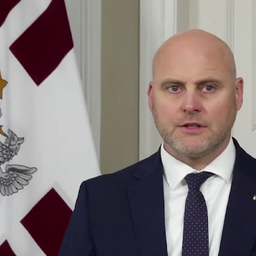
Lawyer: Deputy Status Is No “Free Pass” for Conduct, While Brēmanis’s Case Drags On for Seven Years
Sworn advocate Jānis Dzanuškāns explains why Latvian lawmaker Rūdolfs Brēmanis can run for office and sit in parliament despite being on trial since 2019, and where free speech ends. He stresses that immunity does not exempt anyone from responsibility.
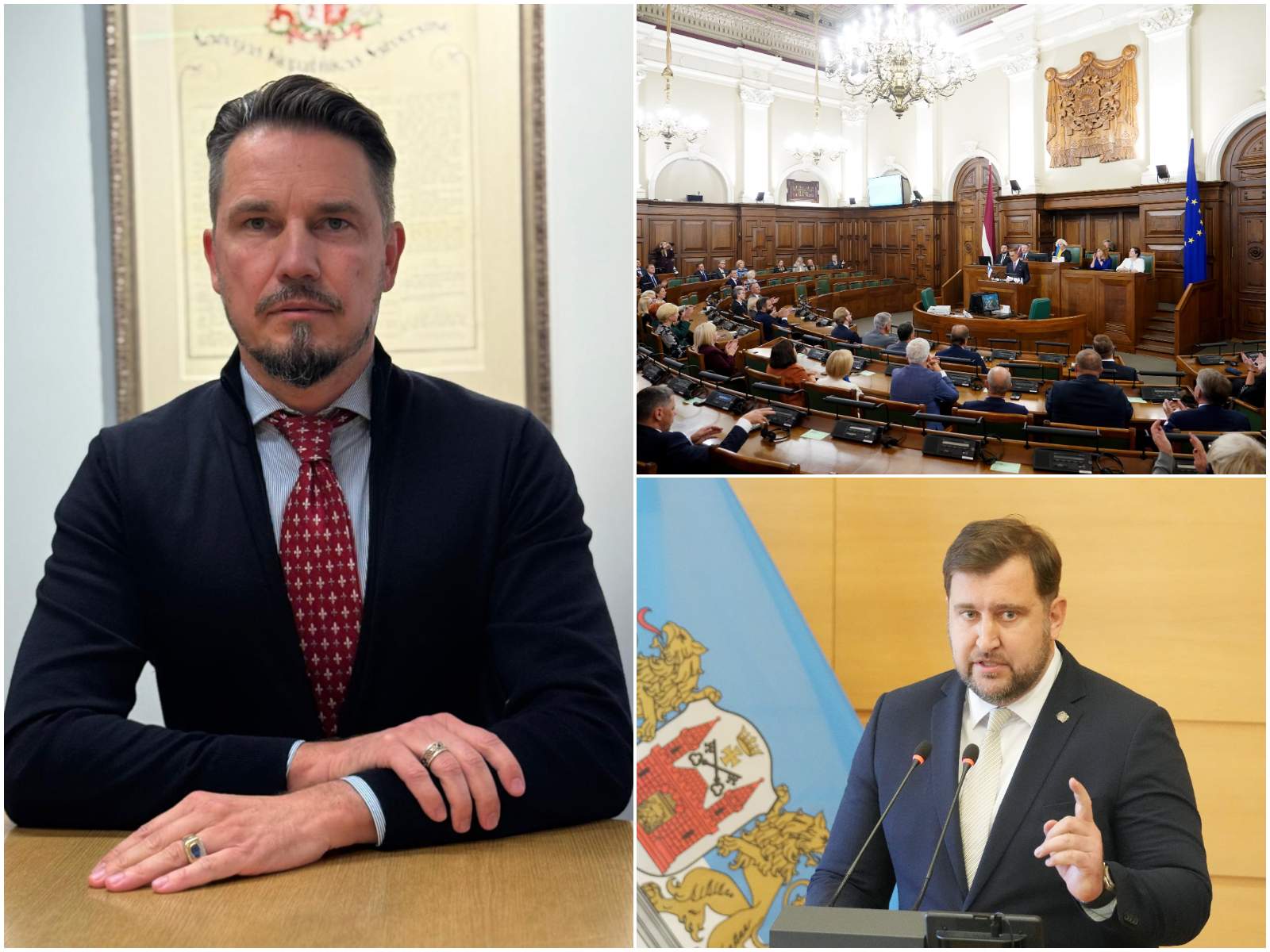
Rūdolfs Brēmanis (SV/AJ), newly elected to Latvia’s Saeima, the national parliament, is known for loud criticism of the government, but also for conduct that has raised questions about ethical and legal limits. Sworn advocate Jānis Dzanuškāns explained in the newspaper Latvijas Avīze on 18 October 2026 why such politicians do not always face consequences.
What prompts the questions
This March, Brēmanis, then a Riga City Council deputy, behaved aggressively at a gathering and threatened: “I’ll smash your face in!”. Recently, while in the audience at a pre-election debate, he made insulting remarks about Dace Bargā, assistant to European Parliament member Ivars Ijabs, calling her a groupie and a parasite, and called Ijabs himself a “politician-prostitute”. In addition, since 2019 Brēmanis has faced court proceedings over the fraud and misappropriation of 102,721 euros belonging to Latvia, at a time when he held the status of a state official as a diplomat.
Running for office and a lengthy trial
Dzanuškāns notes that an accused person is not yet a convicted one, so the presumption of innocence allows candidacy in Saeima elections. The criminal case was sent to court in 2019, meaning the process has lasted more than seven years. The lawyer stresses that length alone does not mean unlawful conduct, since complex cases may involve large volumes of evidence and expert examinations, but it does raise the question of whether the system handles cases within a reasonable time.
Immunity and freedom of speech
Election to the Saeima does not end a criminal case. The Saeima will have to decide on continuing the criminal proceedings, but it does not decide guilt; the court does. Dzanuškāns compares immunity to a seat belt, not a bulletproof vest. For offences during a deputy’s term, Article 30 of the Satversme, Latvia’s constitution, requires the Saeima’s consent to prosecution.
On public conduct, the lawyer names three kinds of responsibility: ethical consequences under the Saeima’s ethics code, civil liability for harm to honour and dignity if a false, verifiable fact is asserted, and in certain cases criminal liability. Not every crude remark is criminal, and authorities can act on more than a victim’s complaint.