Fifteen everyday spending habits quietly draining your budget
Small routine purchases, from takeaway coffee to bottled water, can add up to thousands of euros over a year, financial experts say. The article lists 15 habits behind the so-called invisible spending that may explain where the money goes.
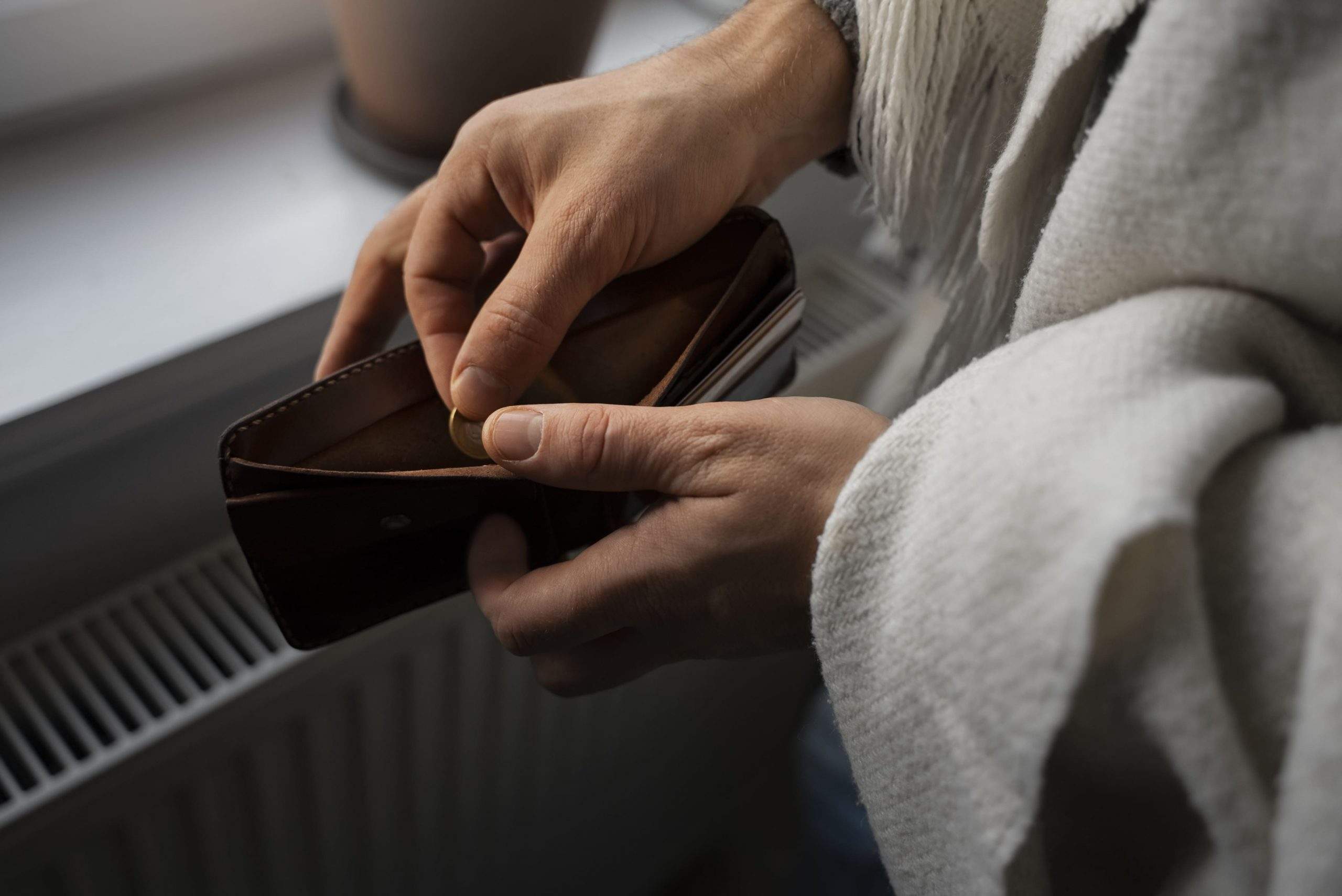
Money often appears to disappear for no clear reason, but the culprit may be a series of small everyday purchases made almost automatically. Foreign media material, adapted by Latvian newspaper Latvijas Avīze, lists 15 habits that financial experts call invisible spending.
Among the most common are daily coffee bought outside home. If a cup costs five euros, one such habit alone can consume more than 1,800 euros over a year. Similarly, regularly buying bottled water creates unneeded costs that a reusable bottle and filtered tap water could replace.
Many households also overpay for television and streaming bundles they do not fully use, or choose mobile phone plans with more data or features than needed. Eating out and food delivery are another major source of small but recurring expenses, usually exceeding the cost of home cooking.
Extended warranties, often not used, increase the final price of goods. Brand-name products are not always better, and cheaper alternatives may be equal in quality. Snacks bought at petrol stations cost more than similar products in shops, while ATM fees outside one's banking network can be avoided with a little planning.
Unused subscriptions and apps continue to take money every month. Late payment fees and interest quietly raise total spending. Excessive tips, expensive greeting cards and gift wrapping can also be disproportionately costly, as can a regular car wash at a full-service station.
According to the article, these small purchases repeat so often that they become the biggest leakage in a family budget. Awareness of the habits is the first step towards saving money and improving one's financial position.