Opinion: distrust between society and power echoes historical mistakes
A Latvian opinion piece warns that the growing gap between the public and those in power resembles the mood in Germany before World War II, urging change ahead of autumn elections. The author criticizes unequal treatment of minor and major wrongdoing.
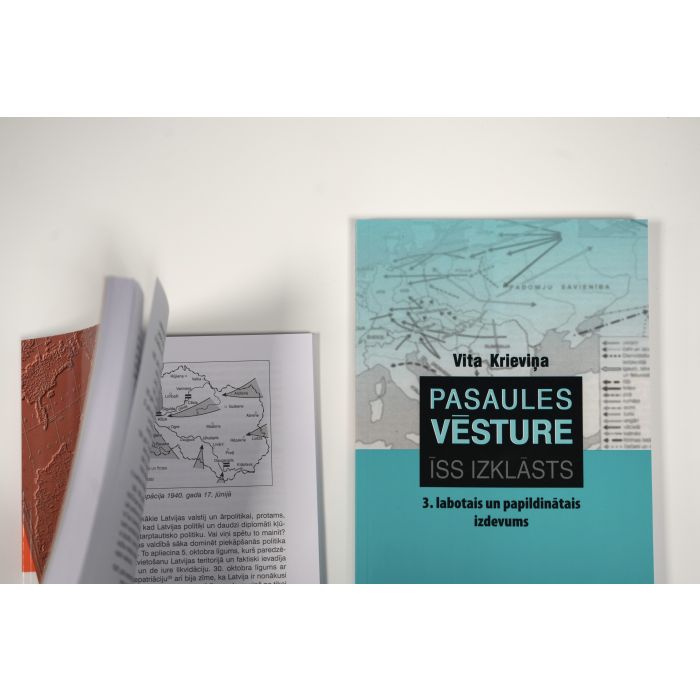
Rereading an old history textbook, the author of this opinion piece concludes that society keeps failing to learn from the past. She argues that in several countries, including Latvia, a widening gap has formed between the public and those in power — a gap she compares to the mood in Germany before the Second World War, marked by dissatisfaction with the existing order and a feeling that everyday problems go unheard.
According to the author, when trust in the state and its institutions erodes, it creates fertile ground for populism, as people turn to simplified answers that can lead to greater polarization and radicalization.
Criticism of governance
The author expresses frustration with how issues are prioritized in Latvia, saying that those who commit relatively minor violations are often punished more harshly, citing a widely circulated case in which the State Revenue Service pursued a woman for unpaid taxes after she sold a hand-knitted dress she no longer wanted. Meanwhile, she argues, larger problems receive less scrutiny, pointing to the Rail Baltica project, where millions have reportedly been lost due to poor management, and to piles built in the Daugava River, for which no one has been held accountable. Such unequal treatment of small and large violations, she says, deepens public distrust.
A call to act
The author admits she has no ready-made solution but believes it is a last chance for decision-makers to recognize the problem and act differently, including by offering more honest and realistic party platforms. She values that Latvia still has a trustworthy electoral system and says she intends to decide by October which political forces she believes pose the least risk to the country's direction, and to vote accordingly.


