Can torn clothes go in a textile bin? Waste operator explains conflicting information
A textile sorting bin in Riga's Čiekurkalns district and the website of waste operator Eco Baltia vide gave different instructions on torn clothing. The company says slightly damaged but clean clothes are acceptable.
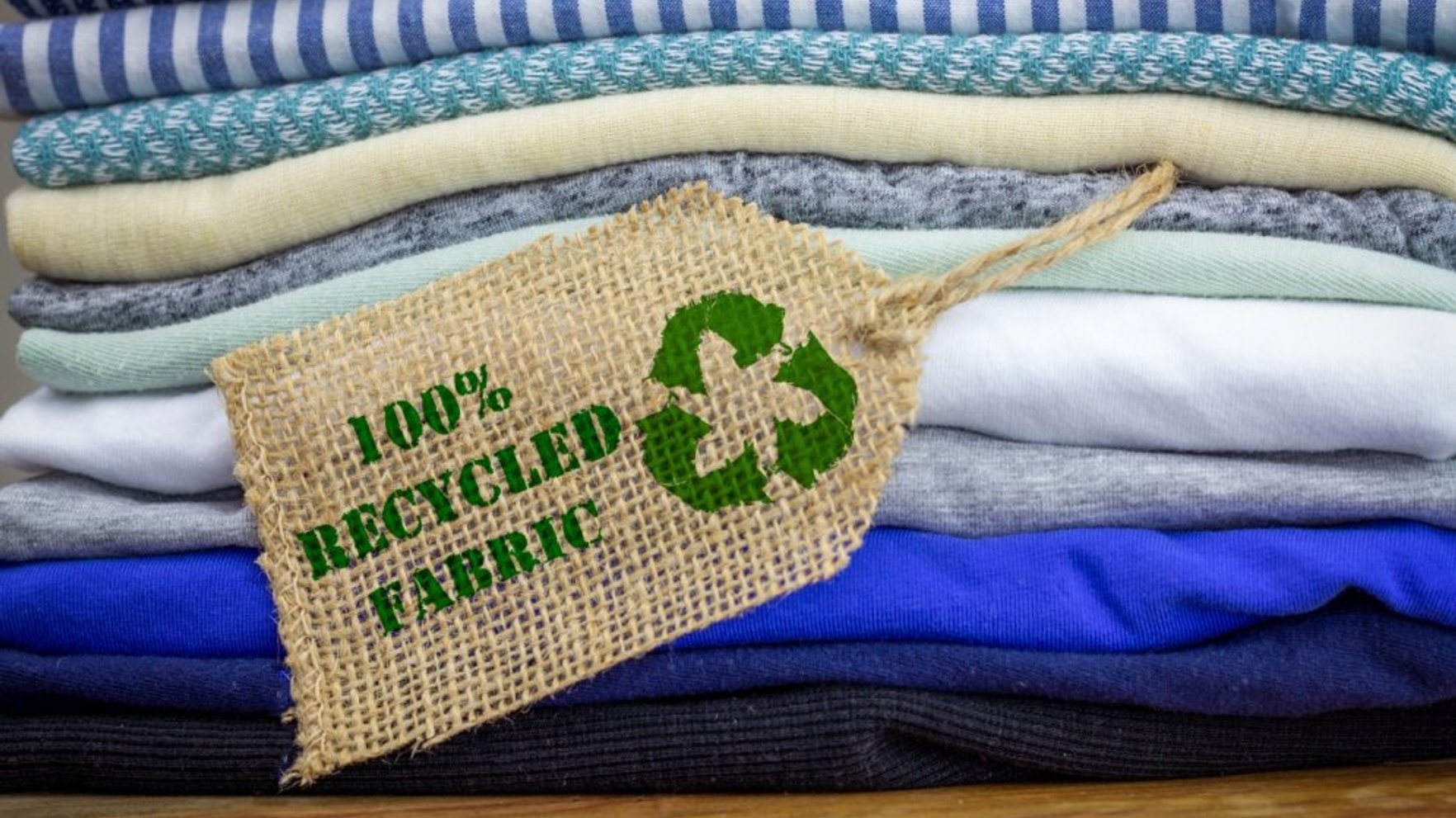
The instructions on a textile sorting container in Čiekurkalns, a district of Riga, differ from the information on the website of waste management company Eco Baltia vide, leaving unclear what residents may drop off. A reader who noticed the mismatch contacted the portal Delfi. The company explains that slightly torn clothing is acceptable in the bin, provided it can still be reused.
What differed
The labels on the container, located near the Mego store at 4 Čiekurkalna 4. šķērslīnija, say it is meant for used but still wearable clothing, household textiles and footwear. The company's website, by contrast, states that torn clothing, shoes and household textiles may also be placed in such containers. The reader also noted that this address is marked on the website as a place where torn textiles can be handed in.
The operator's explanation
Andris Ziemelis, a board member of SIA Eco Baltia vide, says residents should put in clean, dry textiles that are suitable for reuse: clothing, footwear, bed linen, towels, curtains and other items that are not seriously damaged or worn out. Wet, dirty or mouldy textiles, items contaminated with household chemicals or other substances, and shredded or unusable items must not be placed in the containers.
Torn clothing is not always unusable, however. The ban on tattered textiles is meant to keep out things such as old floor rags. If a garment is slightly torn, is missing a button or has other minor defects but is relatively clean, it can safely go in the bin. What matters is not the damage itself but whether the garment can still be reused.
Limited recycling options
Ziemelis notes that textile recycling is still relatively underdeveloped worldwide. New technologies are being developed, but for now the main way to extend the life of textiles is reuse. Materials made of uniform fibres, such as 100% cotton or 100% polyester, are best suited to recycling. Blended-fibre products are much harder to recycle, and many everyday garments are made from such mixtures.
The company urges people to assess the condition of textiles before donating, make sure they are relatively clean and dry, and place them in a tightly tied bag to protect them from moisture and dirt.