Will life improve for Hungary's Roma community under Magyar?
Hungary's new Prime Minister Peter Magyar has made symbolic gestures to include the Roma community, pledging to end discrimination, but activists remain cautious as concrete changes are yet to be seen.
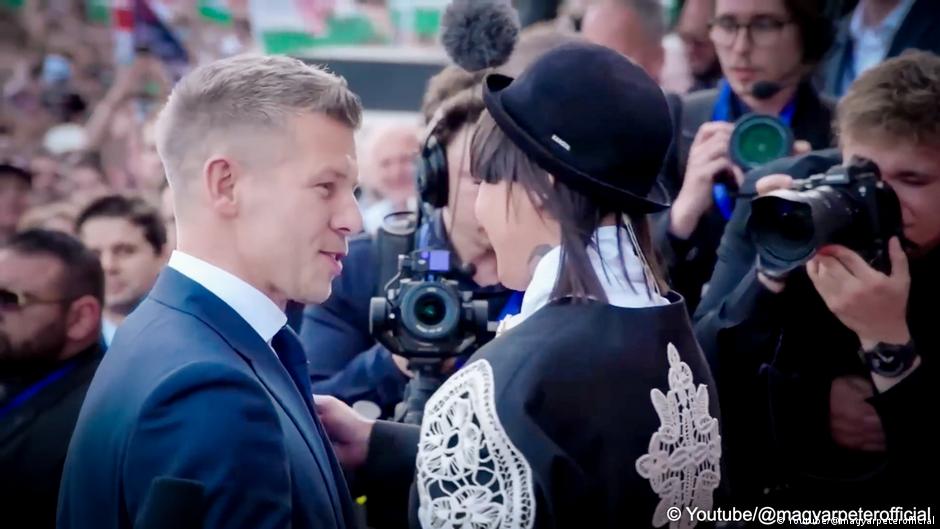
On May 9, as Hungary's new National Assembly convened for its inaugural session, a group of children in white shirts entered the parliament building and performed the unofficial Roma anthem, moving many lawmakers and thousands gathered outside to tears. The performance fulfilled a promise Magyar made in November 2025 when he met the children in the village of Sukosd, vowing to invite them to play in parliament if his Tisza party won the elections. Another symbolic moment followed when Roma singer Ibolya Olah sang the patriotic song "Magyarorszag," which nationalists had long opposed. Magyar hugged her and condemned the far-right Mi Hazank Mozgalom party for walking out during the children's performance, telling them "Shame on you!" These gestures mark a sharp contrast with Viktor Orban's authoritarian regime, which was deeply anti-Roma for 16 years. Orban himself insulted the community in 2012, and in January 2026, his transport minister Janos Lazar referred to Roma as "domestic reserves" for cleaning toilets. Socioeconomically, most Roma have been trapped in state dependency, working in public works programs with no path to better conditions. Magyar and Tisza have pledged to end discrimination by overhauling public works, ending educational segregation, and improving housing and healthcare. However, many Roma activists remain skeptical. Aladar Horvath, a prominent civil rights activist, noted that Roma representatives have not been given enough say in consultations. "The question is: cosmetic changes or systemic overhaul?" he told DW. Education expert Szilvia Szenasi stressed the principle of "nothing about us without us." The new government has no Roma minister, sparking disappointment.