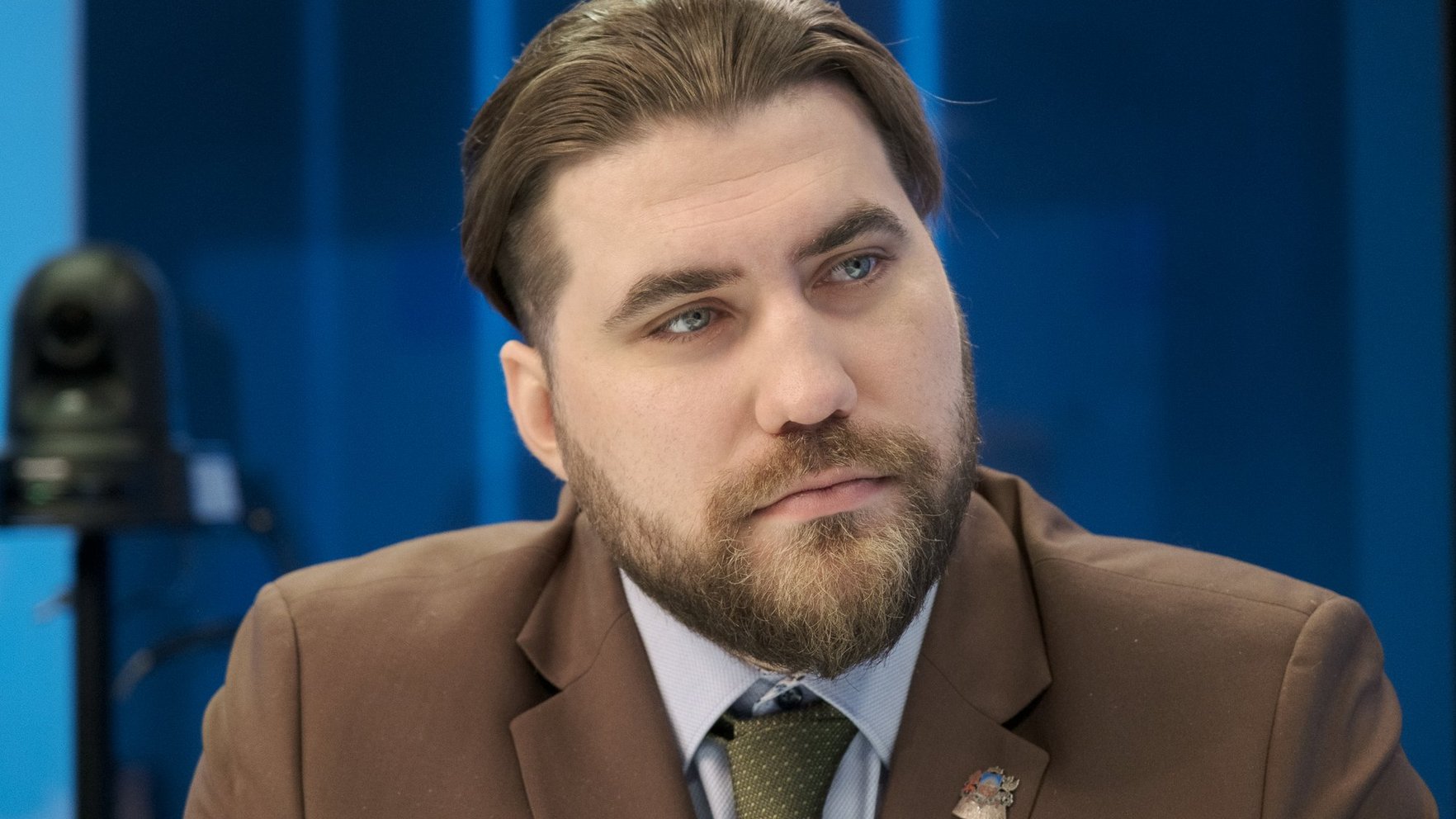
Urbanovičs says Saskaņa is finished and will propose dissolving it
Urbanovičs, leader of Latvia's Saskaņa party, says he will propose that the party dissolve itself at its 21 November congress, after its poor showing in the recent Saeima elections. In an interview he also explains how Russian-speaking voters split between Stepaņenko and Šlesers.

Urbanovičs, the leader of the Latvian party Saskaņa (Harmony), told the newspaper Diena after the recent Saeima (parliament) elections that the party is finished and that he will propose its self-dissolution. For many years Saskaņa represented Russian-speaking voters in the Saeima, but this time it did not win enough support. The interview raises the question of where those voters went.
The end of Saskaņa
Urbanovičs said the party had already discussed whether to wind down before the vote. He chose to try to revive it, but the result was poor. By his account, three board members refused to stand as candidates. On the Tuesday after the election he convened the board and arranged a final congress for 21 November. There he will propose self-liquidation and answer members' questions.
Where the voters went
Urbanovičs believes a large share of Latvia's ethnic Russian citizens voted for Ainārs Šlesers' party Latvija pirmajā vietā (Latvia First), while another large share backed Jūlija Stepaņenko's Sovereign Power. In his view, Stepaņenko benefited from reports about her father: state authorities revealed she had received more than 400,000 euros from him, and his Russia-based construction firm fulfils orders for the armed forces of the aggressor state. Urbanovičs thinks some voters read this as proof that she is "one of their own". He links Šlesers' support to business interests.
Forecasts
Urbanovičs predicts that Šlesers will try to gain influence by backing Kulbergs' minority government, but may fail. He expects the next decisive moment in early summer, when a president is elected and budget problems deepen. Stepaņenko, he says, will be an active opposition voice in parliament. These are Urbanovičs' own assessments, not established facts.