UNESCO: Developing countries spend more on debt than education
According to the UN, 113 developing countries spent more on servicing foreign debt than on education in 2025, while global aid to education is expected to decline by up to 30%.
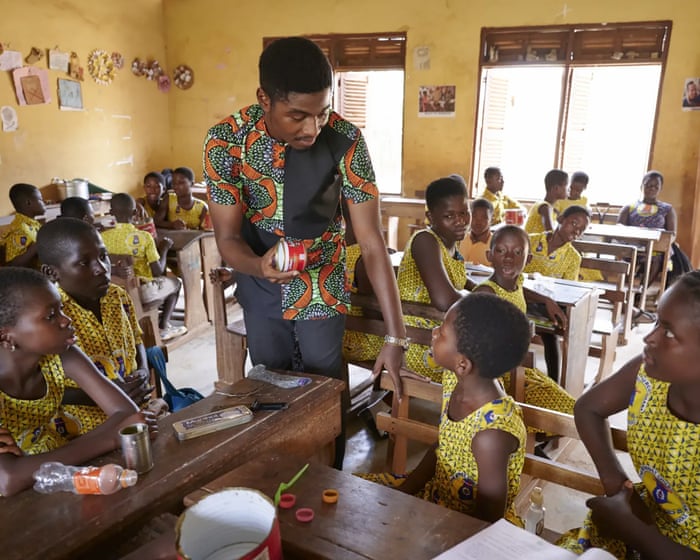
Last year, 113 developing countries spent more on repaying foreign debt than on education, according to UNESCO, the UN’s education and culture agency. In sub-Saharan Africa, countries spent 3.6 times as much on debt as on education. The situation is likely to worsen due to funding cuts: low- and lower-middle-income countries have already lost 21% of the education aid they received in 2023, and could lose up to 30% by 2027. Some countries – including Afghanistan, Mali, Niger and Liberia – have seen a drop of more than 40% in three years.
Min Jeong Kim, director of UNESCO’s education division, said current approaches keep countries trapped in a cycle of austerity, underinvestment, and stalled development, weakening economic growth and their ability to handle debt. The 18 most indebted countries spent five times more on debt than on education; in Sri Lanka, the ratio was 16 times.
According to the campaign group Debt Justice, poorer countries' debt repayments hit a 35-year high last year, with 56 countries spending nearly a fifth of their revenue on servicing loans. Policy director Tim Jones noted that debt payments have ballooned following shocks from Covid, energy price rises, interest rate hikes, and climate disasters, leading to cuts in health and education spending.
Aid cuts by the US and Europe have exacerbated the crisis. Funding for education dropped by $600 million in 2024, and is expected to have fallen further in 2025. As a result, schools lack funds to operate and teachers go unpaid, disrupting education.
UNESCO called for a change in how debt relief is structured, moving from short-term relief to long-term arrangements that allow countries to continue funding public services. Jones stressed that private lenders, often based in the UK and US, must not be allowed to block agreements, as they recently did with Ethiopia. He urged the UK to use its G20 presidency in 2027 to push for major changes, including more debt cancellation and a faster process.