Ukraine's prosecutor general resigns amid corruption allegations as Russia resumes strikes on Kyiv
Ukraine's prosecutor general Ruslan Kravchenko has stepped down following corruption allegations, as Russia launched a fresh overnight missile and drone assault on Kyiv that killed at least two people.
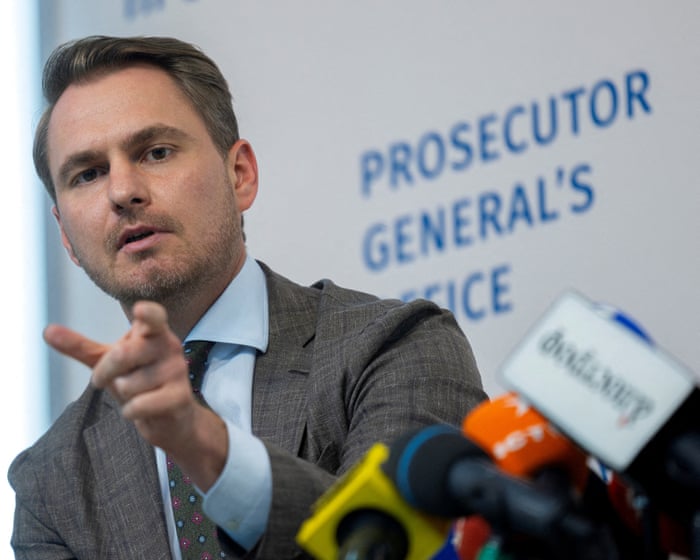
Ukraine's prosecutor general, Ruslan Kravchenko, has announced his resignation after anti-corruption officers searched his offices over the weekend as part of an investigation into illegal call centres. Kravchenko denied involvement in the alleged scheme, saying his decision to step down was political, aimed at preventing his post from being used as a tool in political confrontation.
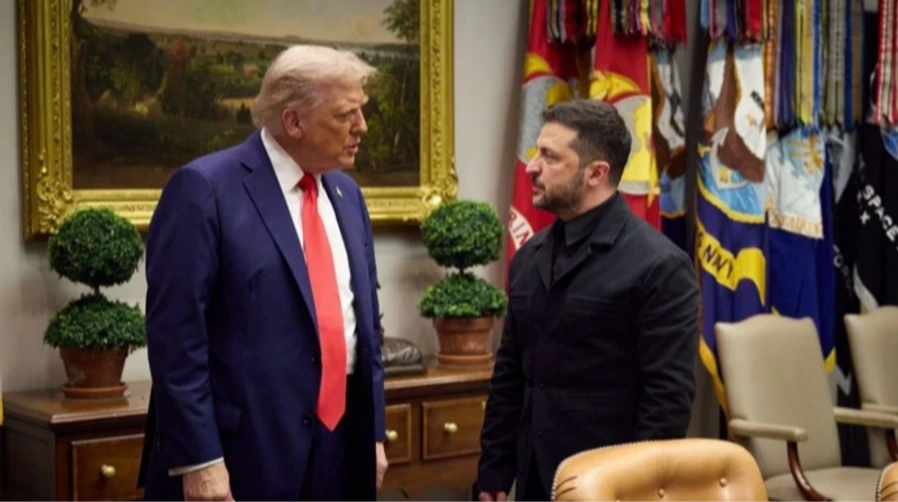
The resignation adds a new challenge for President Volodymyr Zelenskyy following a difficult summer that included a government reshuffle and a political crisis over his controversial dismissal of popular defence minister Mykhailo Fedorov.
Russia resumes strikes on Kyiv
The fresh political turmoil coincides with Russia resuming attacks on Kyiv after a brief weekend pause intended to support peace talks with senior US officials. Zelenskyy described the overnight assault as a complex operation designed to cause maximum harm, involving ballistic, cruise and anti-ship missiles as well as jet-powered Shahed drones. Residential buildings and other civilian infrastructure in the capital sustained significant damage.
At least two people were killed in the attack, and the number of injured has risen to 12. Additional strikes were reported in Dnipro, Kharkiv, Sumy and Zaporizhzhia.
Elsewhere in Europe
Two thieves broke into a museum dedicated to painter Auguste Renoir in Cagnes-sur-Mer, southern France, stealing four artworks and dropping one as they fled. The town's mayor estimated the stolen works' value at around €9m; police reportedly arrived at the scene within five minutes.
European Commission president Ursula von der Leyen condemned the presence of senior Serbian officials at the funeral of convicted war criminal Ratko Mladić, saying it reflected a failure to confront a dark chapter of Europe's recent history and raised questions about Serbia's path toward EU membership.