Trump puts new Russia sanctions passed by Congress on hold
US President Donald Trump has used an executive order to pause a sweeping sanctions package against the Russian economy that Congress passed, citing the national interest. The move comes as he publicly criticises Ukrainian President Volodymyr Zelenskyy.
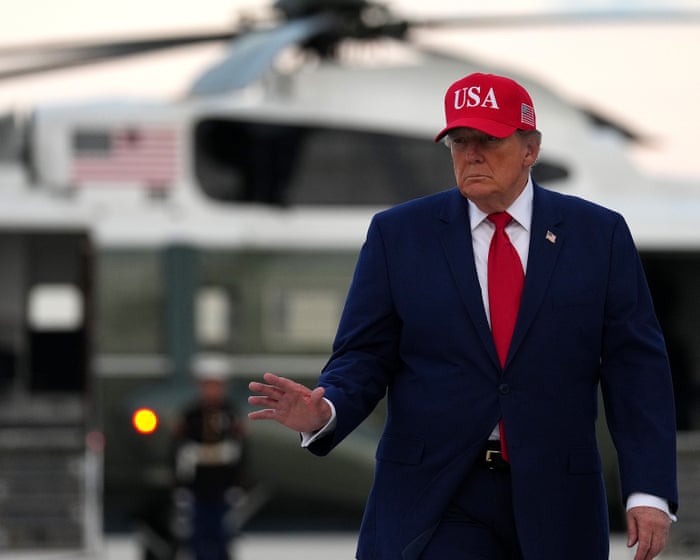
US President Donald Trump on Friday, 17 October, signed an executive order putting on hold a major new sanctions package aimed at the Russian economy. Both chambers of Congress had passed the legislation, and Trump told lawmakers the pause served the national interest. The decision comes as he publicly criticises Ukrainian President Volodymyr Zelenskyy and has suggested Ukraine needs a new leader.
What the law provides
Trump signed the bill last month after Congress passed it in a rare show of bipartisan agreement. It was intended to curb more quickly the flow of money funding Russia's war against Ukraine. Its main backer in Congress was the late senator Lindsey Graham.
The law targets Russian officials and banks, as well as a shadow fleet of tankers that keeps Russian energy exports moving. It also directs the president to impose tariffs of up to 100% on the five largest importers of Russian oil or natural gas. Countries that import less than 15% of Russia's gas exports and have taken significant steps to cut those imports are exempt. The sanctions were due to take effect in two days, and Trump had until 18 October to impose or waive them.
Diesel deal and criticism
A week earlier, Trump announced that the US had agreed to buy diesel from Russia in order to lower global energy prices. He cited more than 300,000 metric tons immediately, 500,000 more in November and 1 million tons after that, followed by a further 3 million tons.
The move drew wide criticism. A dozen US senators, six of them Republicans, urged Trump in a letter on Tuesday to cancel the deal and enforce the sanctions in the law. Speaking in Brussels on Friday while meeting European leaders, Zelenskyy said the deal meant cash would "start flowing back into Russia".
Political background
Last weekend Trump caught Zelenskyy off guard by announcing that Ukraine and Russia had agreed not to attack each other's energy facilities. With US midterm elections next month, Trump has blamed Ukrainian strikes on Russian refineries for raising energy prices, which could cost the Republicans their thin majorities in Congress.