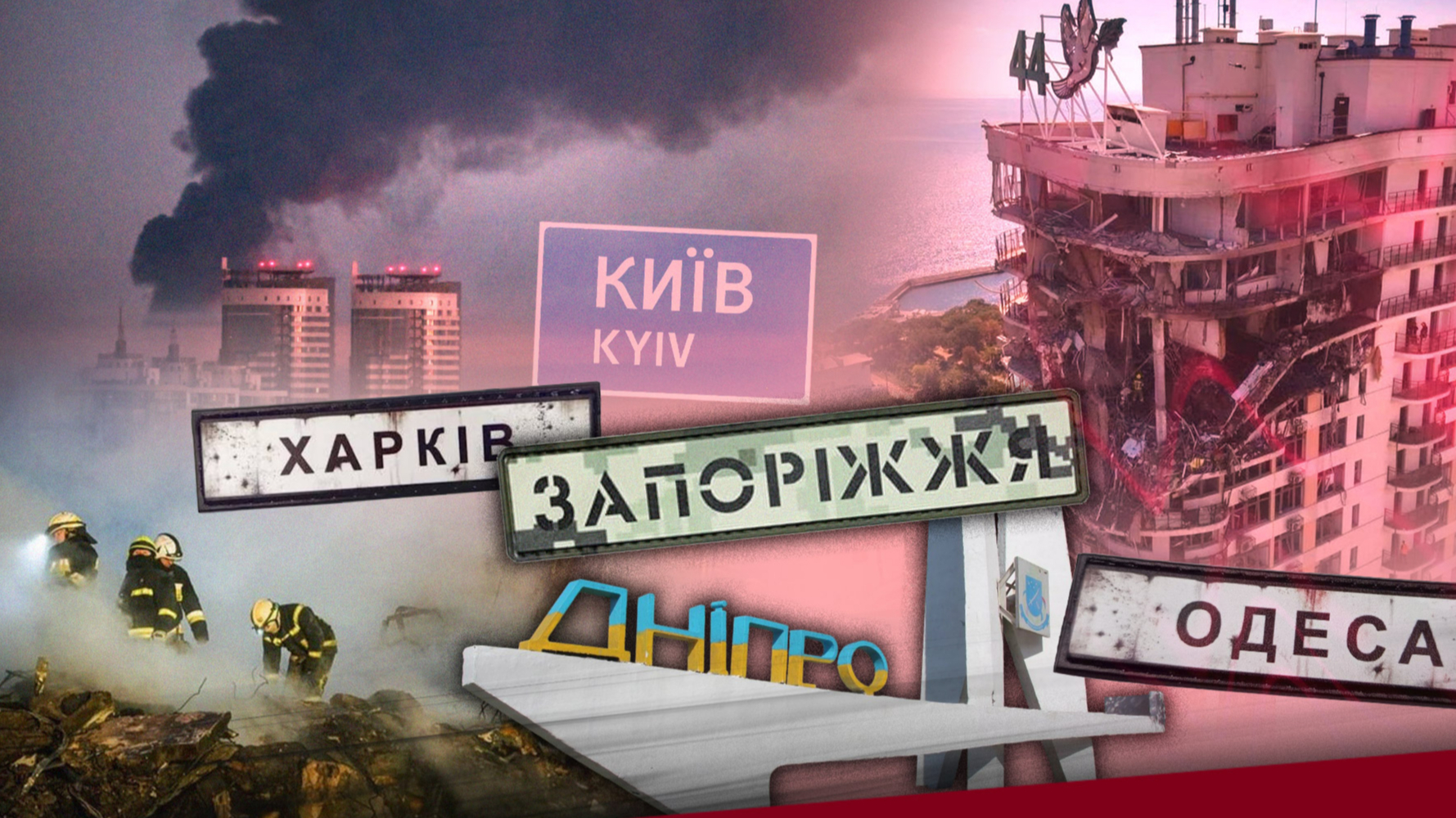
The Guardian: Trump and Putin should not decide Ukraine's future without Kyiv
The Guardian's editorial board warns that a possible meeting of US President Donald Trump, Russian leader Vladimir Putin and China's Xi Jinping without Ukraine would hand Moscow a win before talks begin. It urges Europe to prepare to take more responsibility for its own security.
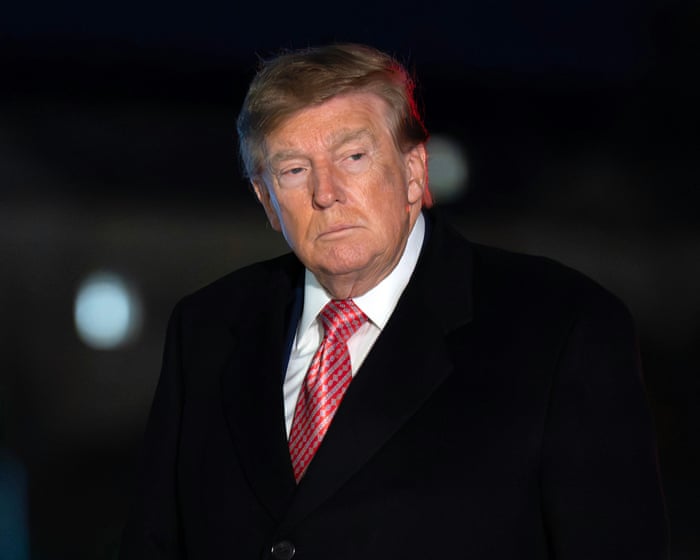
The British newspaper The Guardian argues in an editorial that Ukraine's future cannot be discussed without Ukraine itself. In its view, if US President Donald Trump agreed to negotiate the outcome of the war with Russian President Vladimir Putin and Chinese leader Xi Jinping while Kyiv is absent, Moscow would score a diplomatic victory before talks even start.
Putin's proposal
According to The Wall Street Journal, Putin hopes to secure a diplomatic prize that outweighs any benefit to the US. Trump wants to lower diesel prices before the US midterm elections, so the Russian president has reportedly offered a deal that would let the White House claim it is tackling the issue, although most analysts say it will not help. In the same conversation, Putin reportedly suggested a summit to end the war that would exclude Kyiv. China could gain recognition as a mediator, while Europe would be left out of talks on a war on its own continent. Reports say the three leaders could meet at next month's Asia-Pacific Economic Cooperation (APEC) summit in China.
Legal questions
The editorial says Trump's diesel deal appears to violate US law barring imports of Russian energy until Moscow ends its aggression against Ukraine. It calls on more Republicans to stand up to the president. It also asks why the order to limit a satellite system used by Ukraine for battlefield communications and drone operations reportedly came from the White House. US Secretary of State Marco Rubio has heatedly denied this.
European security
The Guardian holds that a breakdown in transatlantic relations is not inevitable. Last year's Trump national security strategy called Europe "strategically and culturally vital" but also demanded that the continent take responsibility for its own defence. European governments must prepare to meet that challenge.
As a historical parallel, the paper cites the Three Emperors' League of 1873 between Germany, Austria-Hungary and Russia, which collapsed in 1887 as Vienna and Moscow failed to reconcile their Balkan ambitions.