Undercover drill exposes major gaps in US health facilities' infection readiness
A covert drill using actors posing as infectious patients found that 40% of tested US healthcare facilities failed to properly mask and isolate them. Many facilities also missed key screening and PPE protocols.
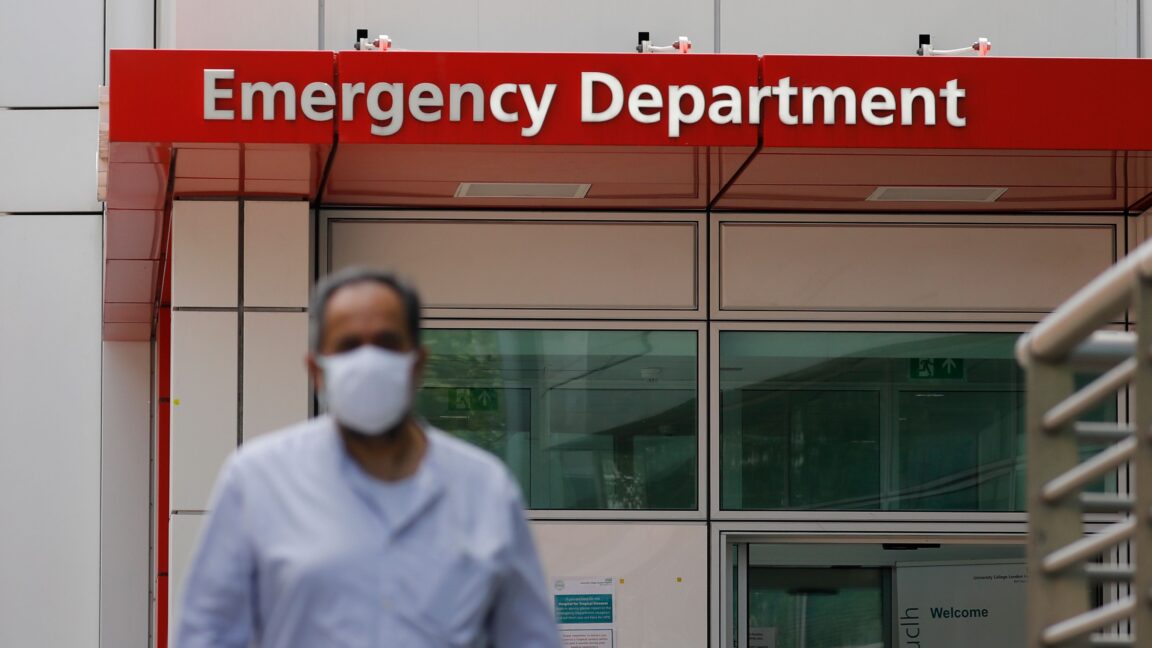
Between January and June 2026, trained actors visited 73 healthcare facilities across the New York health region, including New York City, the rest of New York state, New Jersey, and the US Virgin Islands. Posing as patients with a cough and fever, the actors visited emergency departments, hospital outpatient clinics, and urgent care centers. The facilities had agreed in advance to participate but were not told when the unannounced visits would occur.
Widespread shortcomings
Only 60 percent of facilities (44 of 73) both masked and isolated the actor-patients as recommended. Emergency departments performed worst, with just 55 percent meeting both standards, while outpatient clinics and urgent care centers fared somewhat better at 68 percent and 67 percent respectively. Eighteen percent of facilities failed to offer a mask at all to a coughing patient reporting a fever.
Among facilities that did mask and isolate patients, fewer than half (43 percent) did so within the one-minute benchmark, and under half (48 percent) moved the patient to isolation within the 10-minute target. The median time to masking across all sites was two minutes, while median time to isolation was 11 minutes. Outpatient clinics lagged furthest behind, with a median isolation time of 20 minutes and at least one clinic taking nearly an hour.
While 93 percent of facilities screened the actors for symptoms, staff at only seven of the 73 sites specifically asked about exposure to birds, despite the scenario including a detail about contact with a dead duck—a detail designed to probe for bird flu awareness. Use of recommended personal protective equipment was inconsistent: only 25 percent of clinicians wore the full recommended set (gloves, mask, gown, and eye protection), while 6 percent wore none of it, and 19 percent skipped a mask or respirator entirely. Just 55 percent of facilities notified or planned to notify their internal infection prevention staff, as protocols call for.
The study's authors warn that facility waiting areas can become high-risk transmission sites for respiratory viruses when infection prevention measures are not properly followed. They also caution that actual preparedness may be worse than the results suggest, since some invited facilities declined to participate—potentially because they expected worse outcomes—and some participating facilities may have had informal advance notice of the drills.