Tarek Atoui to turn Tate Modern's Turbine Hall into a sound odyssey
Artist Tarek Atoui is preparing a new sound installation for Tate Modern's Turbine Hall, inviting visitors to listen and play within the space. The work opens 13 October and runs until 11 April 2027.
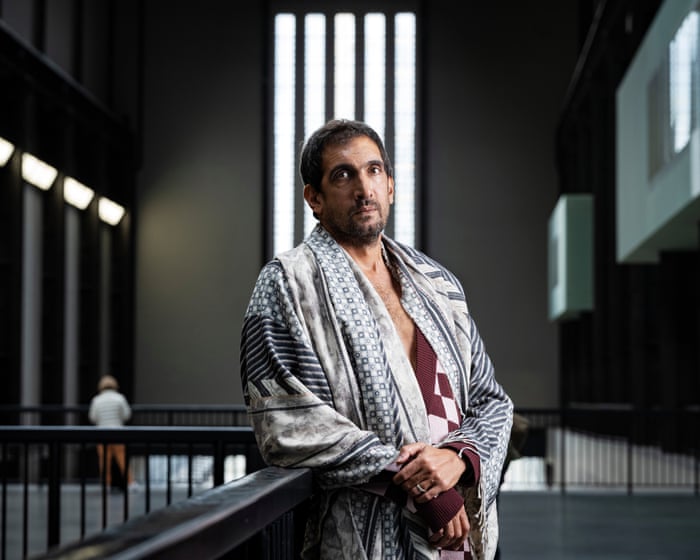
Lebanese-born sound artist and musician Tarek Atoui is preparing a new installation for the Turbine Hall at Tate Modern in London, part of the gallery's Hyundai Commission series. The work will be on view from 13 October until 11 April 2027.
Atoui is known for exhibitions that resemble improvisation studios filled with handmade instruments — from sprawling wind organs to glass booths that whistle like flutes, and marble boulders that emit pulsing sounds. Microphones embedded in the floor often pick up visitors' footsteps and feed them back into the overall soundscape.
The artist has not revealed specific details of the Turbine Hall piece ahead of its opening, but says he is not especially concerned about the venue's challenging acoustics or its unpredictable audience of tourists, school groups and passersby. For him, the process matters more than a polished, finished musical performance. He intends to turn the hall into one of his signature "places for listening and playing."
From concert halls to the street
Atoui studied experimental music in France, where he was drawn to composers such as Iannis Xenakis and György Ligeti. Still, he never wanted to be tied to the music industry's cycle of albums and touring, preferring instead to travel and learn from the people he met — from Korean drum-makers to Palestinian children in refugee camps, for whom he built software that let them compose using PlayStation joysticks.
A particularly formative experience came from working with deaf students at the Amal School in Sharjah, where he used very low frequencies that can be felt through the body rather than heard. He has also recorded underwater sounds from harbour cities including Istanbul and Singapore for his project Waters' Witness.
Atoui describes his audience as his most important collaborators, free to stay briefly or linger for hours, since he deliberately avoids dictating how visitors should experience his work.