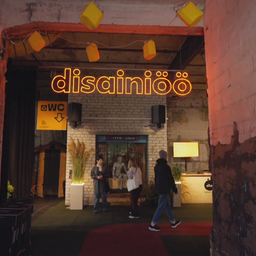
Two new exhibitions about the human body open at Fotografiska in Tallinn
Two exhibitions have opened at the Fotografiska photography gallery in Tallinn, looking at the body from different angles: Estonian artist Heikki Leis links it to water, while Bosnian artist Šejla Kamerić explores identity and freedom of choice.
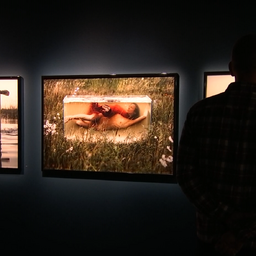
Two new exhibitions centred on the human body have opened at Fotografiska, a photography gallery in Tallinn, Estonia. Estonian photographer and artist Heikki Leis examines the body's relationship with water and movement, while Bosnian artist Šejla Kamerić focuses on identity, memory and freedom of choice. The two shows approach the subject in very different ways.
The body under water
Leis submerges his subjects in water. The familiar outlines of the body and face dissolve, and movements become freer. Water here is more than a backdrop: it is one of the main protagonists, helping people temporarily break free of physical and social constraints. The exhibition includes both portraits and photographs of the human body, and in both, water changes a person's usual image.
Speaking to the Estonian public broadcaster's news programme "Aktuaalne kaamera", Leis said a real storm is raging in society and across the world, but once you go under water, calm sets in, as if you were back in the womb. He said water gives a completely different feeling: it liberates, and you seem to float.
The body as a space of resistance
The body is also a central theme in Kamerić's exhibition, but here it is not an object of observation. It becomes a space of female resistance and a way of speaking about identity and freedom of choice. The artist draws not only on personal experience but also on the legacy of the former Yugoslavia. She notes that this feeling is familiar to many people in Estonia who were born in a country that no longer exists. Kamerić explores what women inherit along with the past: imposed roles, expectations and trauma.
Kamerić said that, as a woman artist and someone who has lived through war, she knows what it means to be trapped in a system that constantly dictates how you and your body are treated. Often, she said, that treatment is unpleasant and, most often, even violent. For her, art is a space of freedom.
The exhibitions by Šejla Kamerić and Heikki Leis are on view at Fotografiska until 7 March.