Press access dispute clouds run-up to Luigi Mangione murder trial
Weeks before Luigi Mangione stands trial for killing UnitedHealthcare executive Brian Thompson, his defense and Manhattan prosecutors are sparring over journalist access to the courtroom. Court administrators' plan lacks an overflow room, fueling fears the trial could turn chaotic.
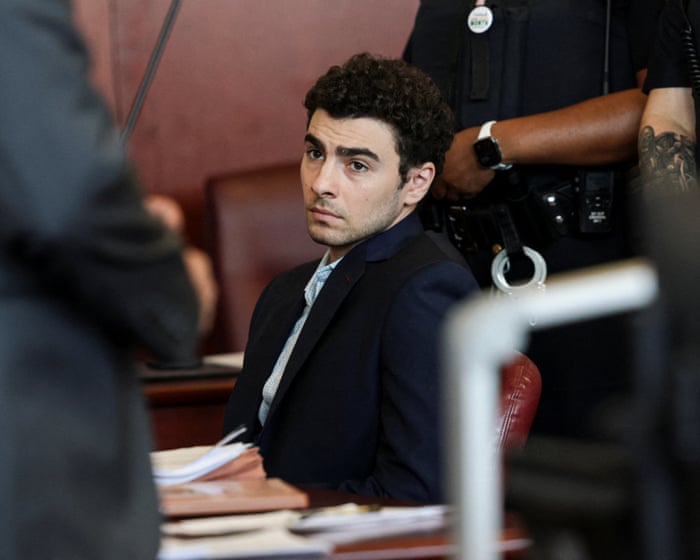
Weeks ahead of Luigi Mangione's trial over the killing of UnitedHealthcare executive Brian Thompson, the case is already drawing intense global attention and being compared to a potential trial of the century.
Mangione is accused of shooting Thompson on a Manhattan street, an act that triggered a major manhunt ending in his arrest at a Pennsylvania fast-food restaurant. The killing also sparked widespread public anger at America's for-profit healthcare industry, and Mangione has since gathered a small but vocal group of supporters.
Dispute over reporter selection
Mangione's defense team sent a letter to Judge Gregory Carro alleging that court administrators and prosecutors had jointly selected only six journalists to cover jury selection scheduled for 8 September, calling it a break from normal practice. The defense demanded lists naming those six reporters as well as a separate list of 68 journalists granted reserved seating.
Manhattan prosecutors responded in a letter stating they played no role in developing the media access plan and would have no say in choosing which reporters attend. The defense later clarified it had no direct evidence of coordination but wanted to know whether any discussions took place.
Experts say pool system is standard
Journalists and attorneys familiar with high-profile trials note that limiting reporters inside the courtroom during jury selection is routine, since most seats are needed for prospective jurors. In such cases, a rotating media pool typically shares updates with reporters who can't fit inside.
More criticism has focused on the absence of a planned overflow room with a video feed for journalists unable to access the courtroom — something experts describe as standard practice in other major trials. Some legal observers said they could not understand why it had not been arranged this time.
Court administrators and Mangione's lawyers declined to comment on the matter.