Stanford Researchers: Bleached Corals Can Recover After Contact With Healthy Clones
Scientists at Stanford University in the US found in laboratory tests that bleached corals can recover when placed in contact with genetically identical healthy corals for a few days. The method is not yet suitable for large-scale use in the oceans.
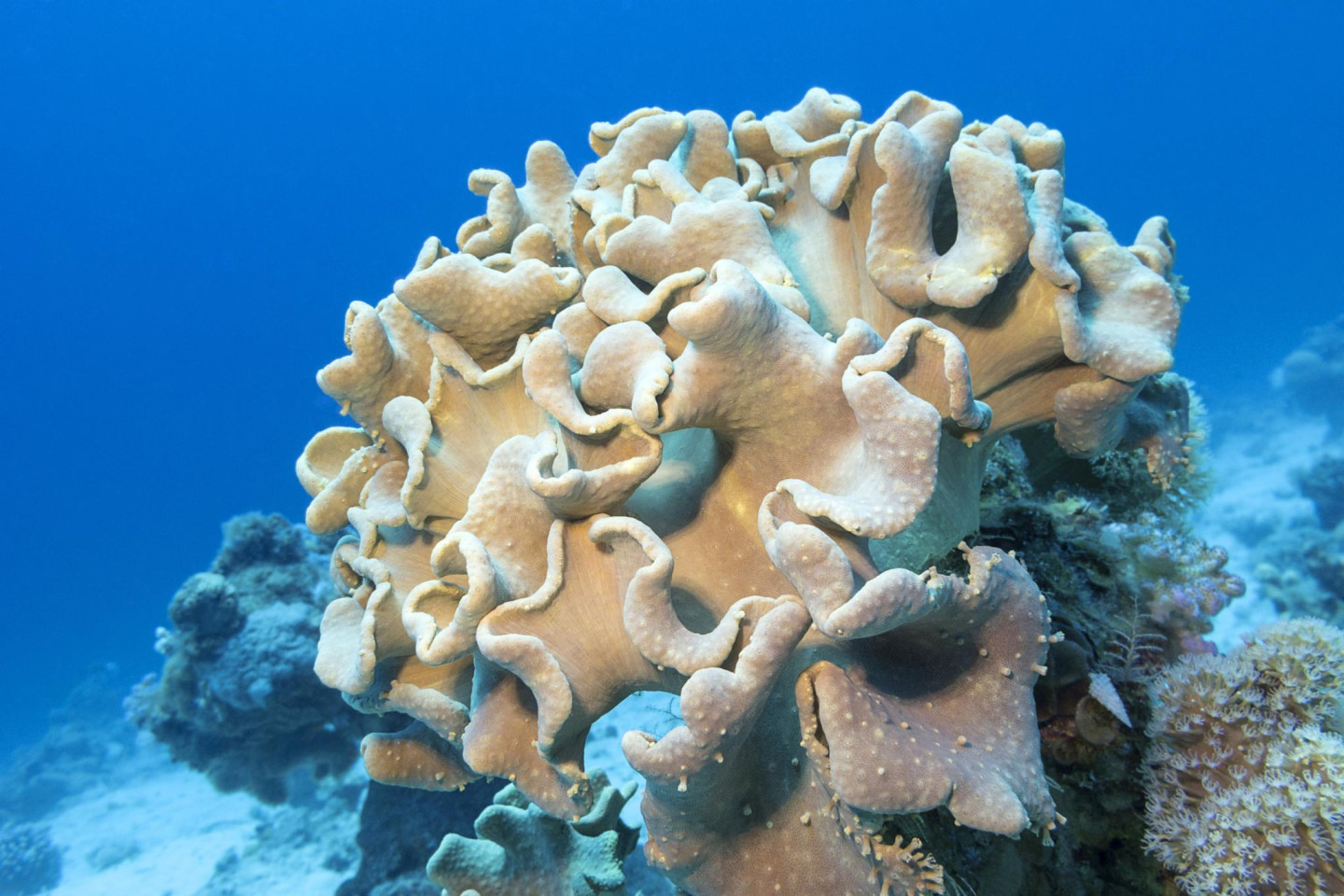
Researchers at Stanford University in the United States have found in a laboratory experiment that corals that have lost their colour and vitality through bleaching can be revived by placing them against a healthy fragment of the same coral colony. The study, published in the journal Science Advances, offers a new approach to restoring coral reefs at a time when rising sea temperatures are causing more frequent and more severe bleaching events.
What bleaching is
When water gets too hot, corals expel the microscopic algae that supply much of their energy. This process is called bleaching, and it leaves corals vulnerable to starvation. Recovery of surviving corals afterwards can take months or years.
An accidental discovery
The discovery was made by chance in 2025. Steve Palumbi, a professor of oceans and marine biologist at Stanford's Doerr School of Sustainability, noticed two pieces of coral in a laboratory tank that had fallen against each other: one healthy, one bleached. At the point of contact, the bleached coral began to regain its colour.
Doctoral student Danny Collins then set up 10 pairs of coral fragments, each consisting of a healthy and a bleached piece from the same colony. Five pairs were placed in contact, while the others were kept a few millimetres apart. Within seven weeks, all five bleached fragments that touched their healthy counterparts had recovered, while those kept apart had died.
Under the microscope, the corals were seen to fuse and form tiny channels through which algae and nutrients passed from one to the other. Within three days, algae began moving into the bleached fragments. In the second week, the algae population doubled every four days, roughly 10 times faster than in wild corals, so the fragments kept recovering even after being separated.
Limitations
The method is not yet ready for wide use in the oceans. For tissues to fuse, the corals must be genetically identical, meaning each damaged coral would need a healthy copy, which is impractical for restoring whole reefs. The researchers hope to find ways to deliver the algae without direct contact or identical twins.
According to the latest assessment by the Global Coral Reef Monitoring Network, the world's reefs have lost almost 10 percent of their living corals over the past four decades. Palumbi stresses that combining corals cannot protect them from rising sea temperatures.