New rules on critical medicine reserves take effect in Latvia for emergencies
Latvian Cabinet Regulation No. 631 on critical medicine reserves enters into force on 17 October, aiming to keep key medicines available during a national or public threat. The National Health Service is responsible for managing the stockpiles.
Cabinet of Ministers Regulation No. 631, "Regulations on Critical Medicine Reserves", takes effect in Latvia on 17 October 2026. The document is meant to ensure that, when a threat to the state or society seriously disrupts medicine supply, residents can still obtain the medicines on the critical list for outpatient treatment.
What the list covers
The critical medicines list is attached to the regulations but is not public, as it carries a restricted-access designation. The Ministry of Health has, however, stated that it covers medicines for 20 groups of diseases, including painkillers and anti-allergy drugs, medicines for diabetes and cardiovascular disease, and oncology drugs.
Who is responsible
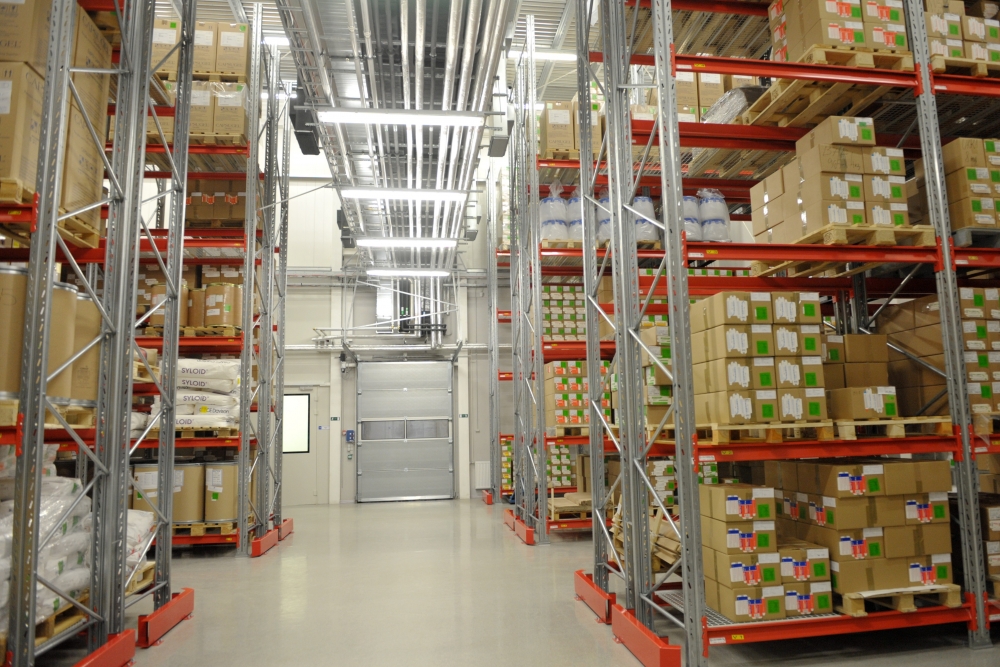
The National Health Service (NVD) manages the reserves. It signs contracts with pharmaceutical wholesalers for purchasing, storing, maintaining and renewing stocks, and for regional supply. Wholesalers must report on reserve balances once a quarter, and also at the request of the Ministry of Health or the NVD, and must allow the NVD to check that stocks exist and are properly stored.
When there is no threat, the reserves are subject to the existing pharmaceutical legislation, except where the new rules say otherwise.
Procedure during a threat
The State Operational Medical Commission, a consultative and coordinating body that aligns the work of health sector institutions during emergencies, informs the NVD when reserves must be released. The NVD passes this on to wholesalers, which must immediately, and within 24 hours of the request at the latest, assemble, move and deliver the specified quantity of medicines to the designated locations in Latvia. Once the medicines are delivered and accepted, ownership passes from the wholesaler to the NVD.
A specific portion of the reserves may also go to the National Armed Forces if the Ministry of Defence makes a request to the Ministry of Health. The Commission decides, weighing civilian and defence needs and the available stock, while ensuring life-saving medicines are shared proportionately with civilians, for example for oncology or rare disease treatment.