Perseid meteor shower to light up night skies this week
The Perseid meteor shower will peak on Wednesday night into Thursday, with a new moon this year providing unusually dark, favorable viewing conditions. The peak coincides with a total solar eclipse over Spain, Iceland and Greenland and a six-planet parade.
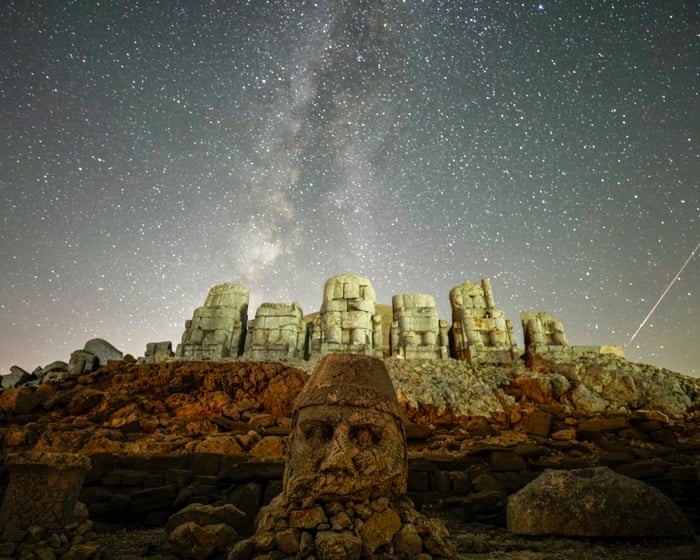
The annual Perseid meteor shower is returning this week with especially favorable viewing conditions across much of the northern hemisphere. According to NASA, the shower is expected to peak on Wednesday night into Thursday morning, when up to 50 to 100 meteors per hour could be visible under ideal conditions. The American Meteor Society offers a more modest estimate of 30 to 50 meteors per hour for rural areas in the US.
Meteor showers occur when Earth passes through trails of debris left behind by comets, and occasionally asteroids, as those fragments burn up in the atmosphere at high speed, creating bright streaks of light. The Perseids originate from comet 109P/Swift-Tuttle, which orbits the sun once every 133 years and is not due to return until 2125. Records of this particular shower stretch back more than 2,000 years.
Why conditions are unusually good this year
The Perseids are known for producing especially bright fireballs, and their summer timing makes them a favourite among skywatchers who would rather avoid observing meteors in freezing winter conditions. This year, the shower's peak coincides with a new moon, meaning there will be no moonlight washing out the sky — a factor astronomers say significantly increases the number of visible meteors.
Astronomers recommend heading outside after dark, away from clouds and city lights, with the best viewing window falling between midnight and dawn, when the constellation Perseus — from which the meteors appear to radiate — sits high in the northern sky. Observers are advised to let their eyes adjust to the darkness for about half an hour, focus on one patch of sky, and avoid looking at phone screens while waiting for a streak to appear.
The Perseids' peak this year also coincides with a total solar eclipse crossing Spain, Iceland and Greenland, as well as a parade of six planets, though those hoping to catch the meteors are advised the best viewing will come once the eclipse's totality has passed.
/https://i.s3.glbimg.com/v1/AUTH_59edd422c0c84a879bd37670ae4f538a/internal_photos/bs/2026/1/7/HONXx0RRaFdfnF6ok09Q/2026-09-28t183155z-928253705-rc2isna9n4vm-rtrmadp-3-usa-trump-steel.jpg)