Finland set to deport pro-Ukraine Russian family fearing arrest and torture at home
Finland's immigration service has repeatedly rejected asylum for a Russian mother and son who are outspoken Ukraine supporters, ruling they face no real risk despite their lawyer warning of likely persecution if deported.
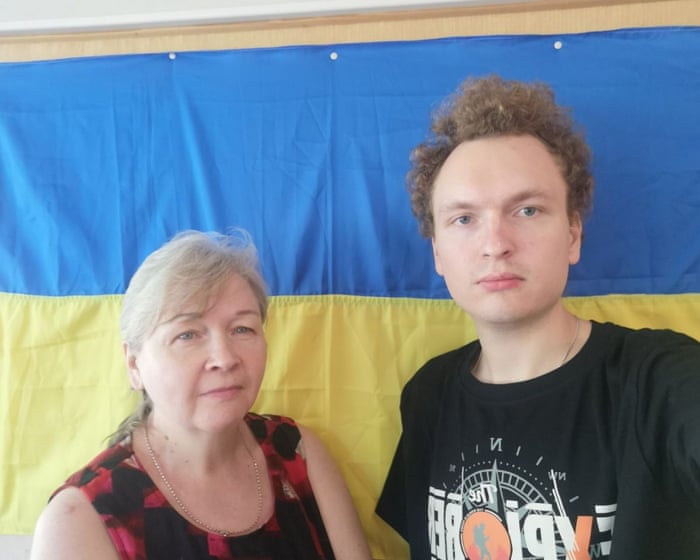
A Russian mother and son living in Finland are facing possible deportation despite warning they could be arrested, imprisoned and tortured over their pro-Ukraine activism if sent back to Russia.
Nikita Belov, 25, and his mother Olga, 55, a nurse anaesthetist, fled Russia in 2022 after Nikita quit his engineering job at a Moscow research institute upon discovering the project he worked on was tied to the war effort. His boss threatened him with arrest or deployment to the front line, while Olga received a call from military officials and their home was visited by police.
Since settling in Finland, the pair have volunteered at a local Ukraine support centre, helping supply first aid materials, clothing, Starlink equipment and a 3D printer to Ukraine's armed forces, receiving a video message of thanks from soldiers.
Despite this, Finland's immigration service has told them they face "no real risk" if returned to Russia. They were detained in April pending deportation and released only after a court intervened, and now await a final ruling that could see them deported within weeks.
Wider pattern
Between February 2022 and June 2026, Finland deported 1,039 Russian nationals — more than any other nationality — and refused entry to 1,109 of 1,342 Russians following negative asylum decisions. Finland has closed its entire border with Russia indefinitely, accusing Moscow of steering asylum seekers toward it as a "hybrid operation."
The family's lawyer, speaking anonymously for security reasons, said the Belovs face genuine risk if deported and that recent changes to asylum procedures have made protection harder to obtain even for applicants with clear political records. Putin critic Bill Browder called the case a test of Europe's commitment to protecting those who opposed the war. A Finnish immigration spokesperson said each case is assessed individually and that political opposition to the war can constitute grounds for protection.