54 people caught with fake or stolen documents in Latvia this year
Since the start of the year, 54 people have been detained at Latvia's borders and within the country for using 59 forged or someone else's documents. Border Guard officials say the EU's new Entry/Exit System has not directly detected these cases but could help identify identity fraud going forward.
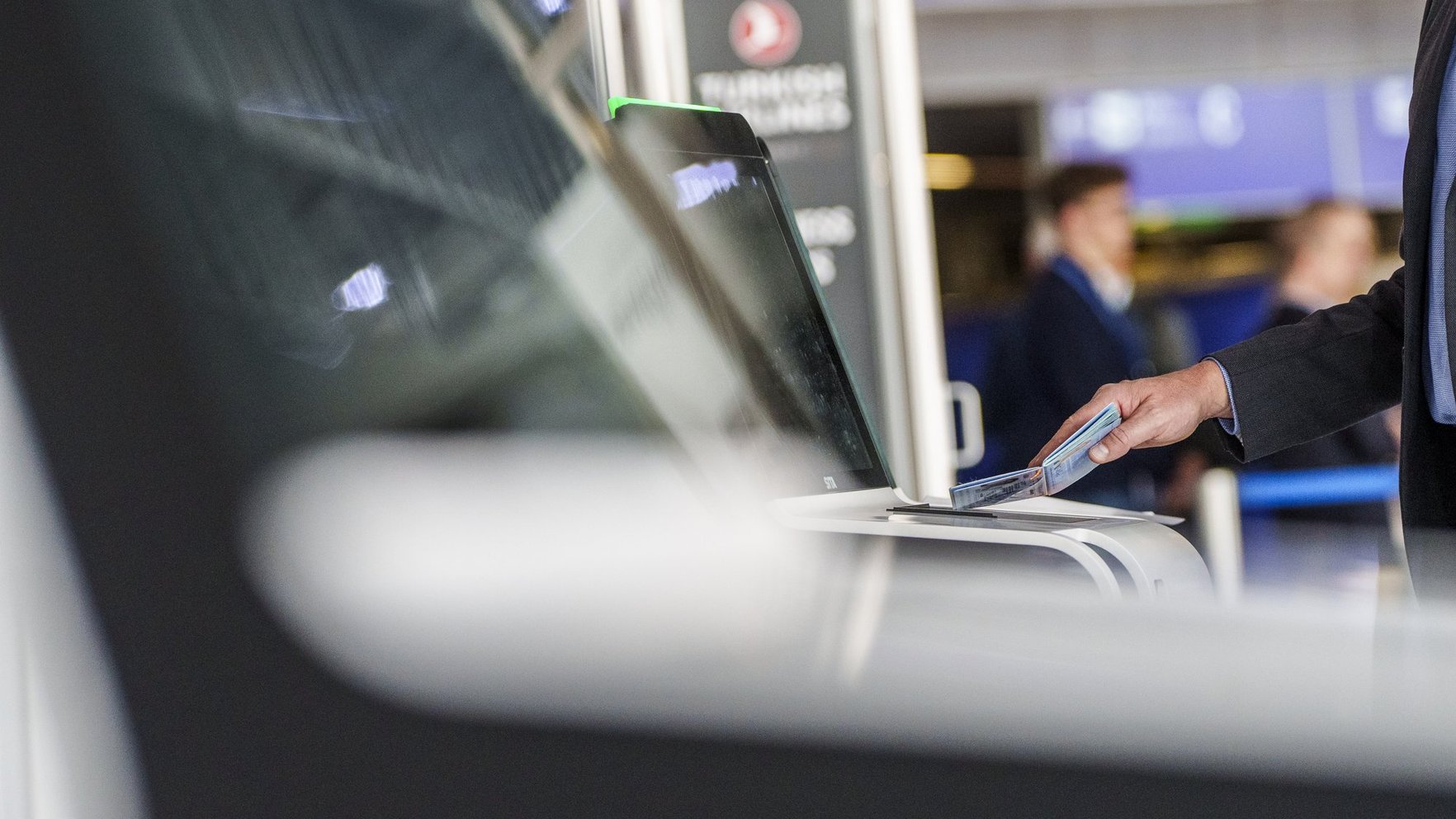
Latvia's State Border Guard has confirmed that since the beginning of the year, 54 people have been caught at the country's external and internal borders attempting to use 59 forged or otherwise fraudulently obtained documents — including ID cards, passports, residence permits and visas. Of these, nine cases were detected at external borders and 50 within the country, according to Jolanta Babiško, a representative of the Border Guard's Strategic Development and Public Relations Division.
The new system and its role
Since April 10 this year, the EU's Entry/Exit System (EES) has been fully operational across Europe, designed to ease short-term travel for third-country nationals. According to the European Commission, the system has already recorded more than 150 million entry and exit events since its launch, helping border guards and law enforcement detect security risks and supporting the fight against serious crime and terrorism.
However, Babiško stressed that the cases identified in Latvia are not directly linked to the EES. The system's practical benefit lies in comparing a person's previously recorded biometric data with newly collected data, which can reveal cases where someone entered earlier using their genuine documents but later attempted to cross the border using another person's identity. So far, no such cases — where identity fraud was uncovered specifically through EES biometric comparison — have been recorded in Latvia.
Not designed to detect forgeries
Babiško explained that the EES itself is not a mechanism for detecting forged documents; that is done through document authenticity checks and other control mechanisms. So far, the system's main benefit has been the ability to quickly identify people who have overstayed their permitted stay, since its built-in calculator automatically computes the length of stay, reducing the risk of manual calculation errors.
According to Babiško, the EES has improved data quality and consistency of checks, and ensures biometric data is stored in a unified, standardized format across all member states. However, given the system's relatively short time in operation, she noted it is still too early to draw broader conclusions about its full impact.

/nginx/o/2026/05/24/17659976t1hb1b1.jpg)
/nginx/o/2026/07/02/17756293t1h2180.jpg)