Staying connected in conflict zones: Journalists and aid workers prioritize differently
In conflict zones, journalists prioritize transmission speed and source confidentiality, while aid workers from organizations like MSF, UNHCR, or the Red Cross focus on reliability and cost control over extended deployments.
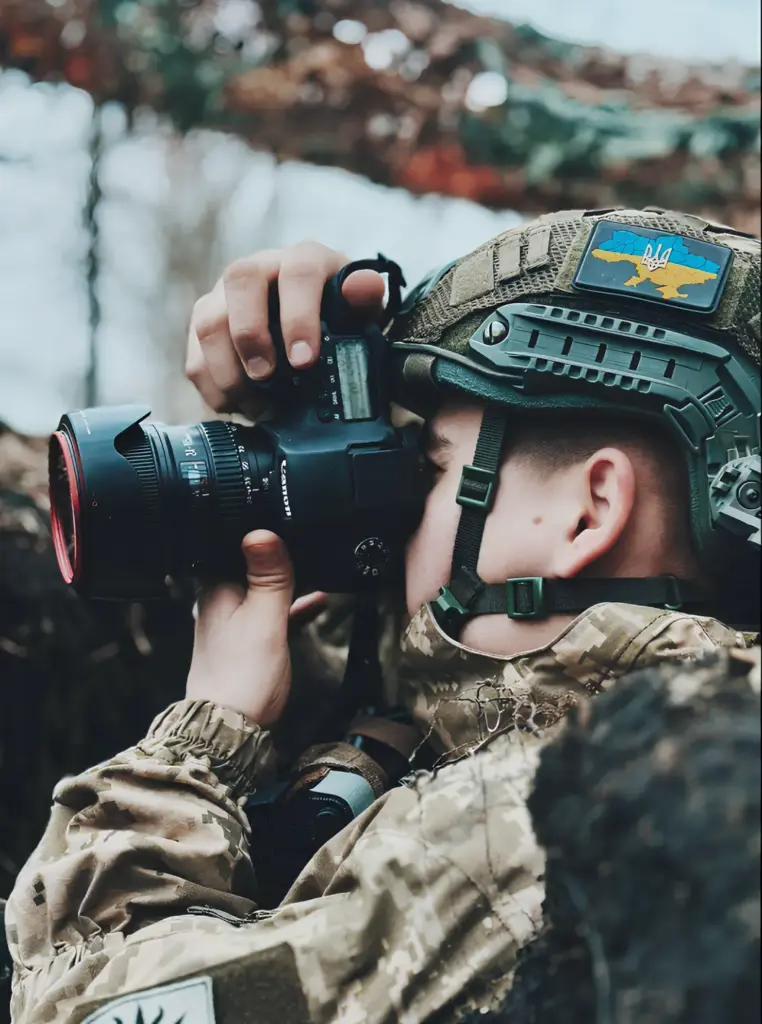
When operating in active conflict zones, journalists and aid workers have distinctly different communication priorities. For journalists, the most critical factors are the speed of data transmission and the ability to protect the identities of their sources. In contrast, aid workers from organizations such as Médecins Sans Frontières (MSF), the UN Refugee Agency (UNHCR), or the Red Cross emphasize connection reliability and cost efficiency, especially during prolonged missions.
These differing needs stem from the nature of their work. Journalists often need to file reports in real time, and source confidentiality can be a matter of life or death. Aid workers, on the other hand, must ensure continuous operations and manage budgets over weeks or months. Reliability prevents interruptions in aid delivery, while cost control makes long-term deployments financially sustainable.
As a result, journalists may prioritize encrypted messaging apps that offer speed and security, whereas aid workers might invest in more robust satellite communication systems. While both groups operate in the same dangerous environments, their approaches to maintaining connectivity reflect their core professional objectives.