Rubio launches campaign to dismantle International Criminal Court
US Secretary of State Marco Rubio launched a campaign to dismantle the International Criminal Court on Monday, claiming it threatens US sovereignty.
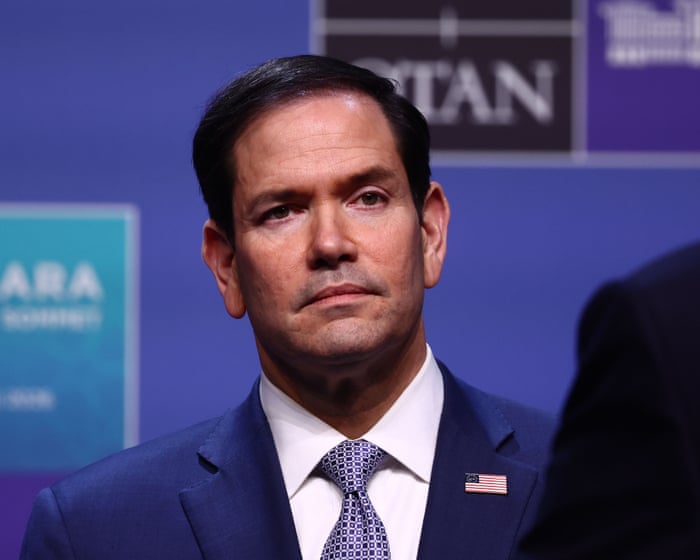
US Secretary of State Marco Rubio officially launched a campaign to dismantle the International Criminal Court (ICC) on Monday, asserting that the global tribunal interferes with US military and law enforcement operations at the risk of American sovereignty. In an op-ed published in The Wall Street Journal, Rubio warned of US Border Patrol agents and elected leaders being "dragged before an international court" and tried by judges from around the world.
According to CNN, the State Department's plan to "dismantle" the ICC involves pressuring other nations to abandon the court. An official stated that nations refusing to reject the ICC's "false authority" while relying on US assistance are likely to face increased scrutiny, with possible punishments including sanctions, travel bans, and visa revocations.
However, three international legal experts described Rubio's remarks as a mischaracterization of the tribunal's powers. Kenneth Roth, former executive director of Human Rights Watch, said the ICC does not claim jurisdiction over conduct in the United States, and Rubio is using national sovereignty rhetoric to seek impunity for US war crimes.
The ICC, headquartered in The Hague, can only investigate crimes committed in states that are party to the Rome Statute, the 2002 treaty that established the court. The United States has not ratified the treaty, nor has the court opened investigations into crimes committed on US soil.
At times, the Trump administration has welcomed ICC jurisdiction, supporting an investigation into Russian war crimes in Ukraine. Meanwhile, ICC prosecutor Karim Khan opened an investigation into Israel's conduct in Palestine, issuing arrest warrants for Prime Minister Benjamin Netanyahu and Defense Minister Yoav Gallant.
Six weeks into his second term, Donald Trump issued an executive order declaring a "national emergency" based on what he called the ICC's "illegitimate and baseless actions" targeting America and its close ally Israel, imposing sanctions on court officials including the chief prosecutor and six judges. The sanctions regime expanded in 2025 to include the UN special rapporteur on human rights in the occupied Palestinian territories and three Palestinian human rights groups.
It is unclear how Rubio's latest vow to "dismantle" the ICC might impact the court's operations. A former senior US government sanctions official, speaking anonymously, said the Trump administration may sanction the tribunal as a whole, suggesting a preemptive campaign against possible ICC action regarding Venezuela or elsewhere. If implemented, Americans would be prohibited from working with the ICC, and US staff, companies, or banks could face financial penalties or jail time for doing business with the court.
Raed Jarrar, Dawn's advocacy director, stated in a press release that Rubio's attack not only underscores US hypocrisy but also undermines access to justice globally, from Ukraine to Sudan, and could amount to obstruction of justice, a crime under the Rome Statute.