Border Guard Dog Unit Chief Jānis Želvis: Being Afraid Is Not an Option
Jānis Želvis, head of the Canine Unit at the State Border Guard's Daugavpils Board, describes service on Latvia's eastern border and the work of dog handlers. He says he continues serving although he could retire on a service pension.
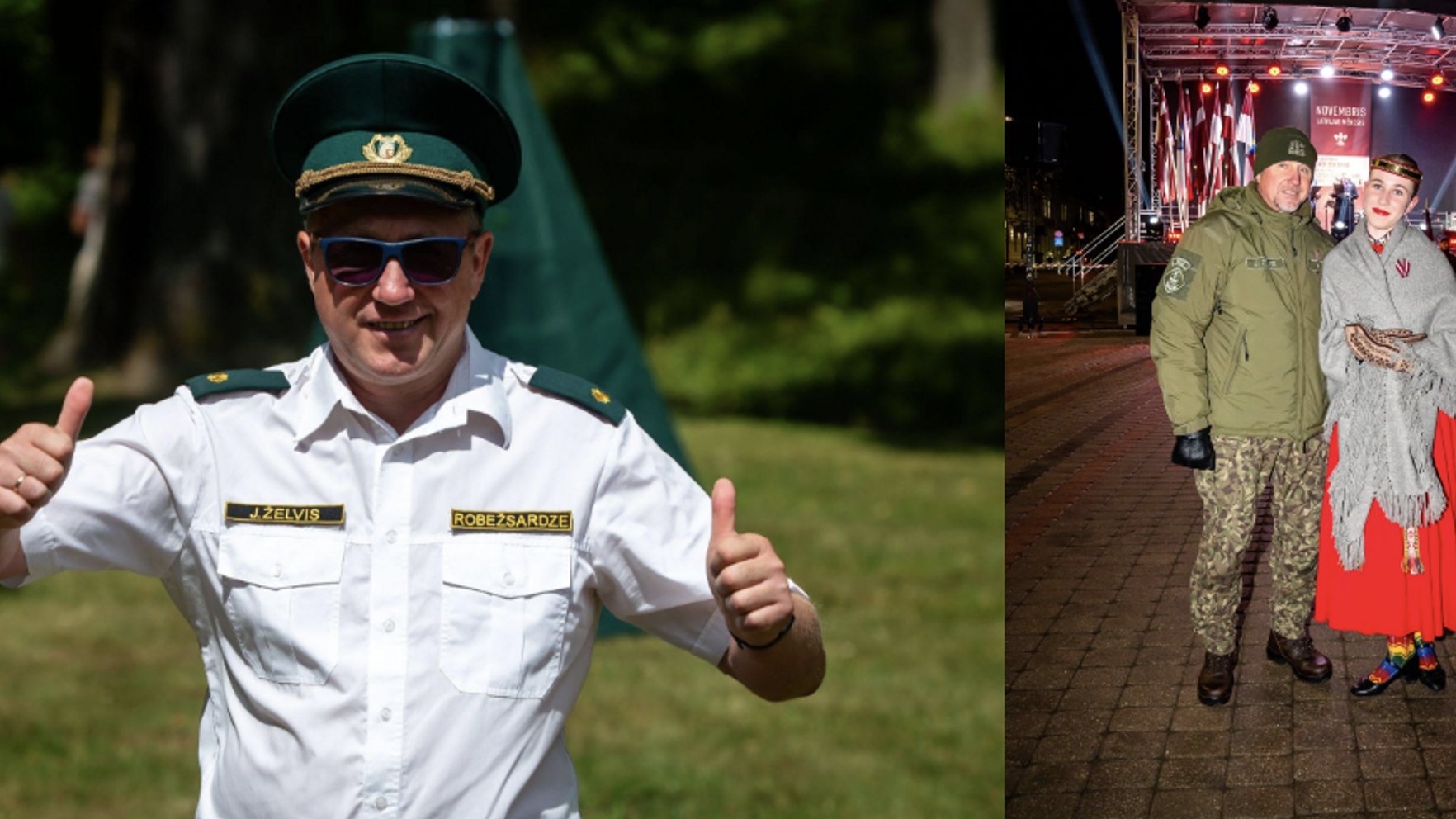
Jānis Želvis, head of the Canine Unit at the Daugavpils Board of Latvia's State Border Guard, spoke in an interview with the news site Delfi about service on Latvia's eastern border, which is also the European Union's frontier with Belarus and Russia. He could have taken a service pension three years ago, but he continues working because, in his view, he has sworn an oath and the country must be defended. He calls border guards the front line, referring to daily psychological pressure and provocations.
Everyday work at the border
Želvis stresses that the fence, cameras and vehicles help, but when a person gets past the fence into the forest, someone still has to find them. For that reason, he says, people matter most. While a dog follows a trail, the handler needs a sturdy colleague alongside for protection. The service also receives help from the State Police, the National Armed Forces, the Military Police, the National Guard, foreign colleagues and Operation "Vilkatis".
He describes stone-throwing, damage to cameras, attempts to seize weapons and violence against service dogs. According to him, Belarusian border guards help people reach the Latvian side. He says migrants have been hidden in a shed, a postal vehicle, imitations of police cars, a wedding car and a load of firewood. He urges border-area residents to report suspicious situations.
Handlers and career
Želvis has served in the Border Guard since 1998, for 28 years. He grew up in a family of seven children in Špoģi, studied at the Murjāņi sports school and dreamed of becoming a rower, but chose the Police Academy and work with dogs. This year three of his colleagues received state awards. By his account, handler Irina Užule and her dog Hagi have helped detain 500 border crossers this year, and the largest group detained at once numbered 56.
The unit chief says the family suffers most from the rhythm of service, since his phone is beside him around the clock. He has a wife and three daughters. In his free time he dances in a mid-generation folk dance group, Ezerzvani, and to clear his head he has walked 800 kilometres of the Camino de Santiago.