Dowser points to Latvia's most energetically powerful places
On TV24, dowser Māris Zvaunis discussed several Latvian locations traditionally believed to hold special energy, including Āžu Vienradzis Hill, Pokaiņi forest, Zilokalns, Aglona, Lielvārde, the Koknese castle ruins and the Ķevele springs.
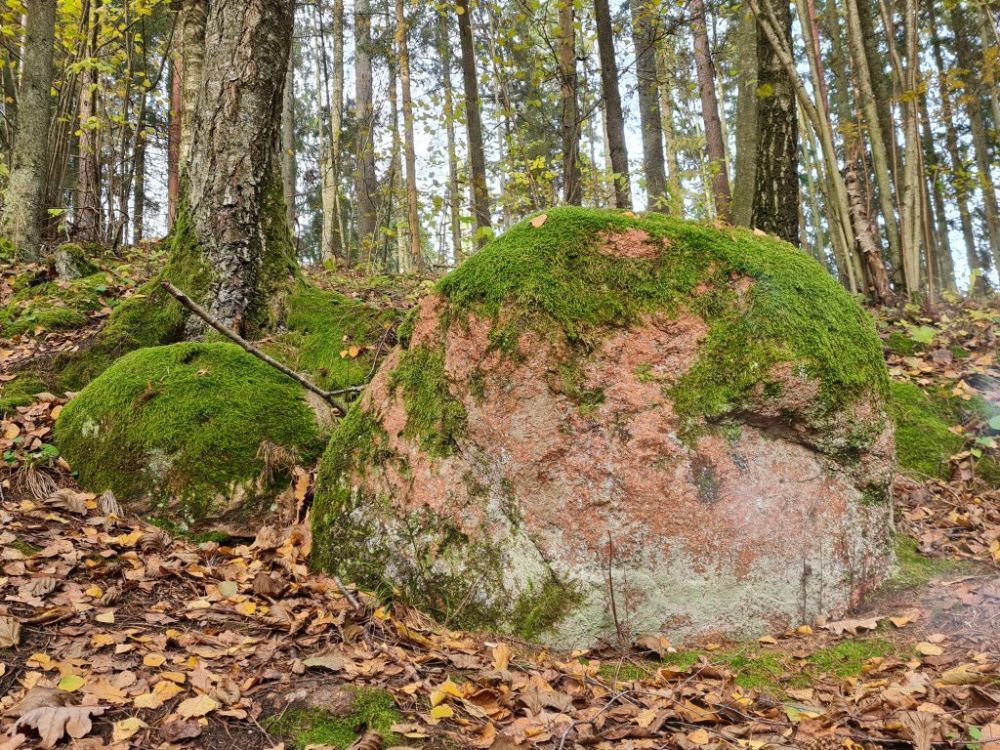
On the TV24 programme "Uz līnijas," dowser and Baltic ritual leader Māris Zvaunis spoke about places in Latvia traditionally believed to carry special energy. He recalled his teacher Ivars Vīka once saying that every Latvian can reach such a place within half an hour's travel, and noted that the whole Latvian and Baltic region is considered an energetically elevated zone, shaped by what he described as connections between so-called power veins. According to Zvaunis, powerful places are formed through interaction with the people who visit and care for them.
One site he highlighted is Āžu Vienradzis Hill in Tukums municipality, which he and fellow enthusiasts have tended for more than 30 years. He said the hill was once overgrown and hard to access, and Soviet-era machinery could not reach it to carry out major work, though centuries-old oaks, roughly 450 years old, were once cut down there. Today the hill has become a popular destination for outdoor recreation. Regarding Pokaiņi forest near Dobele, Zvaunis said it remains one of Latvia's most powerful sacred sites, though its popularity has drawn large crowds that have somewhat diminished its energetic potency.
Other well-known power places in Latvia
Media reports frequently mention other sites of historical or spiritual significance. Zilokalns in Valmiera municipality has for centuries been linked to legends of an ancient cult site, a healing spring and a sacred grove, and dowsers have reported detecting a complex network of energy currents there — though this remains an esoteric interpretation rather than a scientifically proven fact. Aglona, meanwhile, is a major Catholic pilgrimage centre, also associated with the nearby lakes Cirītis and Rušons.
Tourism materials describe Lielvārde as a place where the imagery of Andrejs Pumpurs' epic "Lāčplēsis" blends with real historical landmarks, including large boulders and castle ruins. The Koknese castle ruins, now surrounded by water following the creation of the Pļaviņas hydroelectric reservoir, are likewise described as having a distinctive atmosphere. In Dobele municipality, the Ķevele or Karaļavoti springs, also known as the Trejdeviņi springs, are listed by the University of Latvia as one of the country's sacred springs, with folk beliefs attributing healing properties to their water.