Postimees editor: part of Baltic war anxiety is being manufactured by Western media
Postimees editor Meelis Oidsalu argues that part of the anxiety around a potential Russian attack on the Baltic states is being generated by major Western media outlets, often relying on anonymous Estonian intelligence sources.
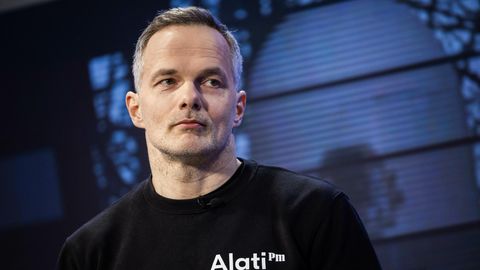
Meelis Oidsalu, an editor at Estonian news outlet Postimees, has published a commentary examining how major Western media portray the Baltic states as the next, almost inevitable target of a Russian attack. According to Oidsalu, such coverage frequently appears without explaining why Moscow would specifically choose to attack the Baltic region at this point.
The editor questions how ordinary defence preparations get reframed by Western outlets into firm predictions of an approaching war. In his view, this kind of reinterpretation risks creating a misleading public impression that war is effectively a foregone conclusion, rather than reflecting cautious, preventive action by the states involved.
Oidsalu pays particular attention to how Estonian intelligence officers communicate with foreign media. He points to a discrepancy: the same officials, when speaking anonymously to foreign journalists, adopt a different, sharper tone than when they address the domestic Estonian public openly and under their own names. This inconsistency, he argues, raises the question of whether war anxiety is being deliberately amplified in the international information space in a way that is not mirrored within Estonian society itself.
The commentary addresses a broader issue — how security narratives about a Russian threat to the Baltic states are shaped, and what role anonymous intelligence sources speaking to foreign media play in that process.