Polish farmers must compete on quality, not price, says head of agricultural advisory centre
Marcin Oszańca, director of Poland's Agricultural Advisory Centre (CDR), says Polish food producers will win global markets through quality, since production costs in Europe are high. He points to automation, precision farming and extra income sources as answers.
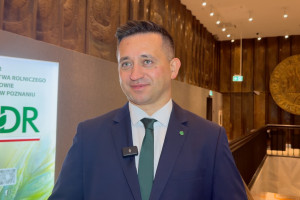
Polish farmers should compete on international markets mainly through quality rather than price, because production costs in Poland and elsewhere in Europe are high. This was stated by Marcin Oszańca, director of the Agricultural Advisory Centre (Centrum Doradztwa Rolniczego, CDR) in Brwinów, at the 22nd edition of the Agricultural Entrepreneur Days (Dni Przedsiębiorcy Rolnego) in Poznań. He also outlined how farms can cope with rising costs and a shortage of workers.
Costs and labour shortages
According to Oszańca, the profitability of farming is increasingly affected by more expensive energy and production inputs. At the same time, demographic change makes it harder to find people willing to work in agriculture. The director sees these problems as factors driving technological development on farms: automation, robotics and digitalisation allow machines to replace physical labour and raise productivity.
Climate and precision farming
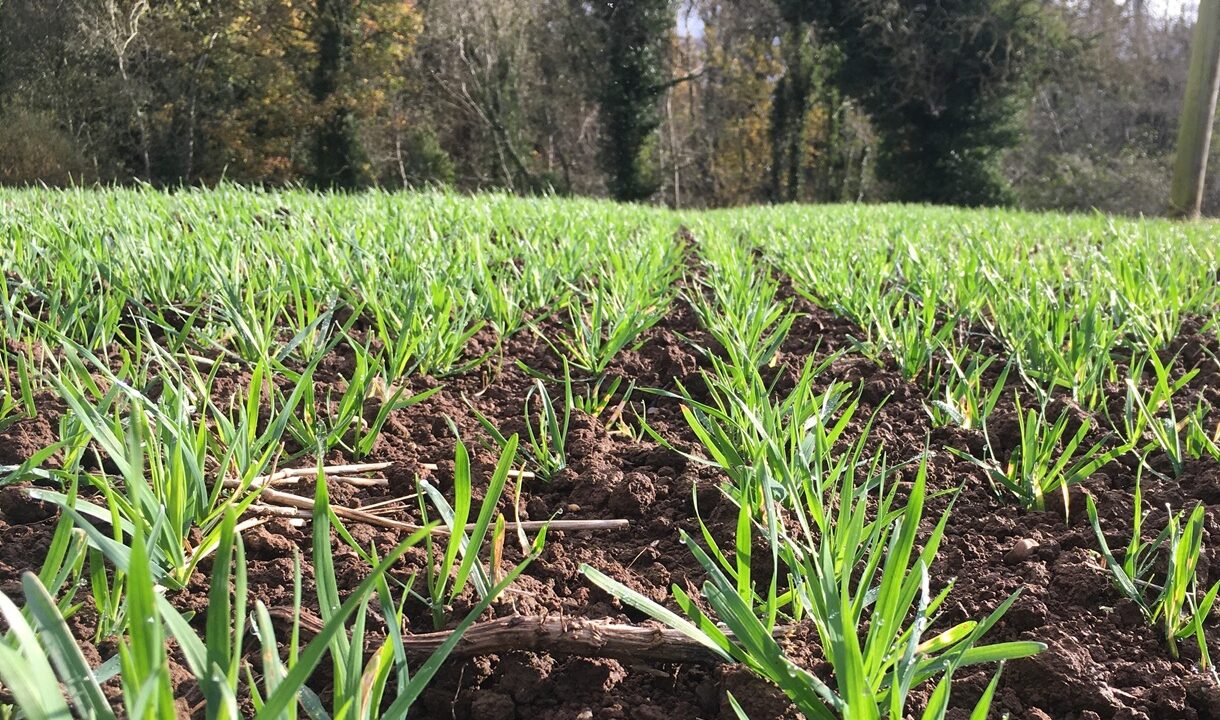
Climate change, high temperatures and periodic rainfall shortages require a new approach to water management. Oszańca named regenerative agriculture, which aims to improve soil properties. Precision farming, he said, allows fertilisation to be matched more closely to plants' needs, so that using less fertiliser and water can even yield higher harvests.
Quality as an advantage
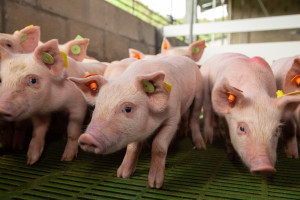
The director stressed that Polish exports should stand out for quality. As an example he cited Polish pork, which he believes can build its position in Asian markets. In his view, consumer expectations are also shifting: not only price but also the origin and production method of food matter more. This, he said, is an opportunity for smaller and medium-sized farms, which can develop processing, retail and direct sales.
Extra income and support
Oszańca advised farms to diversify income, for example through agritourism or energy production. Applications are also open for European Innovation Partnership (EIP) operational group projects, which can receive up to PLN 2.5 million in support. The projects bring together farmers, scientists, entrepreneurs and advisers. The director cited Polish ginger growing and black garlic production as examples.